• OUR PHILOSOPHY
  • OUR PROJECTS
    • Explore Projects
    • Map of Projects
    • List of Projects
    • Who We Help
    • Testimonials
  • DO IT YOURSELF?
    • Why & How
    • FAQ
    • Consultation
  • MEDIA
    • Videos
    • Endorsements
  • ABOUT US
    • Team
    • Founder
    • Name & Logo
    • 2012-2018 in Review
  • CONTACT
    • Get in Touch
    • Speaking Engagements
Inti Raymi FundInti Raymi Fund
  • OUR PHILOSOPHY
  • OUR PROJECTS
    • Explore Projects
    • Map of Projects
    • List of Projects
    • Who We Help
    • Testimonials
  • DO IT YOURSELF?
    • Why & How
    • FAQ
    • Consultation
  • MEDIA
    • Videos
    • Endorsements
  • ABOUT US
    • Team
    • Founder
    • Name & Logo
    • 2012-2018 in Review
  • CONTACT
    • Get in Touch
    • Speaking Engagements

GERMANY'S GENOCIDE OF HERERO & NAMA PEOPLES of 1904-1908 - Genocide Repatriation Litigation Support

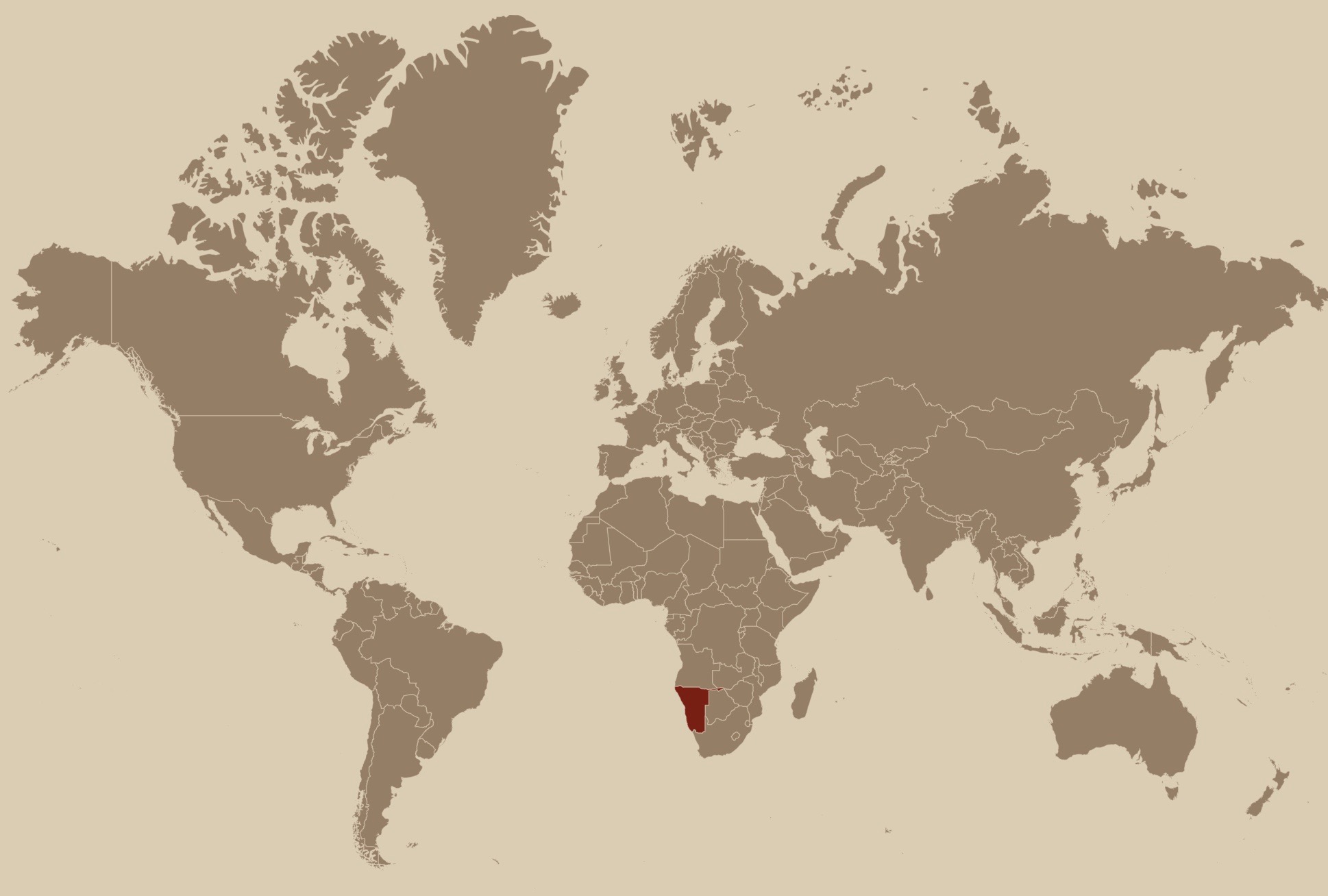
Swakopmund, Namibia

Purpose: Genocide Repatriation Litigation Support

Start Date: November, 2018

Funding Level: $25,000

Lives Directly Impacted: 38,000

SUMMARY

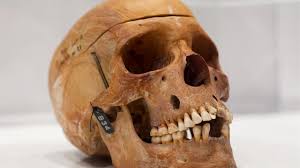
Inti Raymi Fund visited Namibia and provided financial support to the victims/survivors' descendants of the Herero and Nama Peoples' Genocide by Germany in 1904-1908. Labeled the "First Genocide of the 20th century", this Slaughter of an estimated 80% of the Indigenous Peoples within this former German Colony needs reconciliation and repatriation. Our funds are being used for ongoing expenses associated with this meaningful litigation against the German Government to regain Respect and Dignity for the Herero and Nama Peoples. (cover image by Spiegel.de)

OVAHERERO AND NAMAQUA GENOCIDE BY GERMANY - OVERVIEW

Germany’s Genocide of 1904-1908 against the Ovaherero (“Herero”) and Namaqua (“Nama”) Peoples of Namibia was caused by “Abuse of Power”, Colonization and Land Grabs, among other things, by German settlers who relocated to and annexed Namibia in 1884. In addition to Namibia, three other regions/states were also former colonies of Germany in the late 1800’s. Today these states are known as 1) Ghana/Togo, 2) Rwanda/Burundi/Tanzania, and 3) Cameroon. To read more of Germany’s expansion visit German Colonial Empire. Centuries before, Namibia was colonized by the Portuguese and Dutch, then annexed by Germany in 1884, then control was transferred to “Apartheid South Africa” through the United Kingdom in 1915, all facilitated by the League of Nations (Predecessor of the UN). All the while, all of the Indigenous Peoples of Namibia suffered immeasurably at the hands of these colonizers because the “ideal land” at that time for pastoralists and grazing were the “already occupied and farmed lands” of the majority tribe at that time, the Herero and Nama Peoples. In addition to ideal farm lands, the announcement in South Africa and Germany of the discovery of diamonds in Namibia exacerbated these illicit land grabs from the Nama and Herero People.

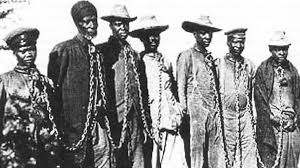
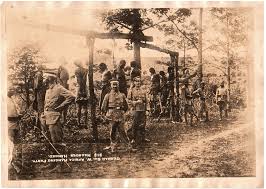
In the ensuing anti-colonial rebellions, the Nama and Herero Peoples were nearly exterminated with an estimated 80% of the Herero and Nama Peoples wiped out by the German Military Leader, Lothar von Trotha. Genocide was carried out by weapons, rape, starvation, extensive forced labor in concentration camps or by exiling the Nama and Herero Peoples into the inhospitable Kalahari Desert for certain death.

Extermination orders were given by German leadership for the Herero and Nama Peoples proclaiming…

“I destroy the African tribes with streams of blood... Only following this cleansing can something new emerge, which will remain”.

This narrative, according to Colombia University professor Mahmood Mamdani, was the preamble to Nazi Germany’s Jewish Holocaust/Genocide actions of World War II. To learn the full story, go to the attached links of  History of Namibia and the Herero and Nama Genocide.

SOCIAL INJUSTICE WHICH THE INTI RAYMI FUND IS SUPPORTING:

Currently, the Herero and Nama Peoples have commenced litigation within US Jurisdiction filing under the “Alien Tort Statute” that allows non-US citizens to make claims in US federal court for international law violations. The community of Indigenous Herero and Nama Peoples are foremost seeking a “Respectful and Dignified” apology from the German Government and Reparations for the unquantifiable damages for their ancestors’ genocide, lands stolen, and chattel seized by German Colonizers. The Inti Raymi Fund support shall be used for the Plaintiff’s legal costs in connection with this significant “David and Goliath” battle. The ramifications of this potential victory have far reaching consequences for other Indigenous Peoples of all the former colonized nations around the world and potentially beyond into the former slave owning nations.

OUR JOURNEY IN NAMIBIA:

The Inti Raymi Fund first became aware of the Indigenous Ovaherero & Namoqua Peoples’ Genocide by Germany through a video by Vice News in May 2018. Upon learning this compelling story, we knew we needed to go to Namibia and see how we could help the remaining survivors/descendants of this little publicized genocide. One of the first things which came to our minds was “why have we not heard about this genocide where an estimated 80% of a race of people was exterminated? We’ve all heard about the Jewish People during WWII and the Jewish Holocaust. This historical narrative grabbed our attention and off we went.

Our journey began when we were greeted in the Maun, Botswana airport by our guides, Ehrenfried Meroro and Bob Kandetu. We immediately headed out for our roughly 2,000-kilometer expedition, visiting as many people and historical places as we could during our week’s visit to Namibia for this cause.

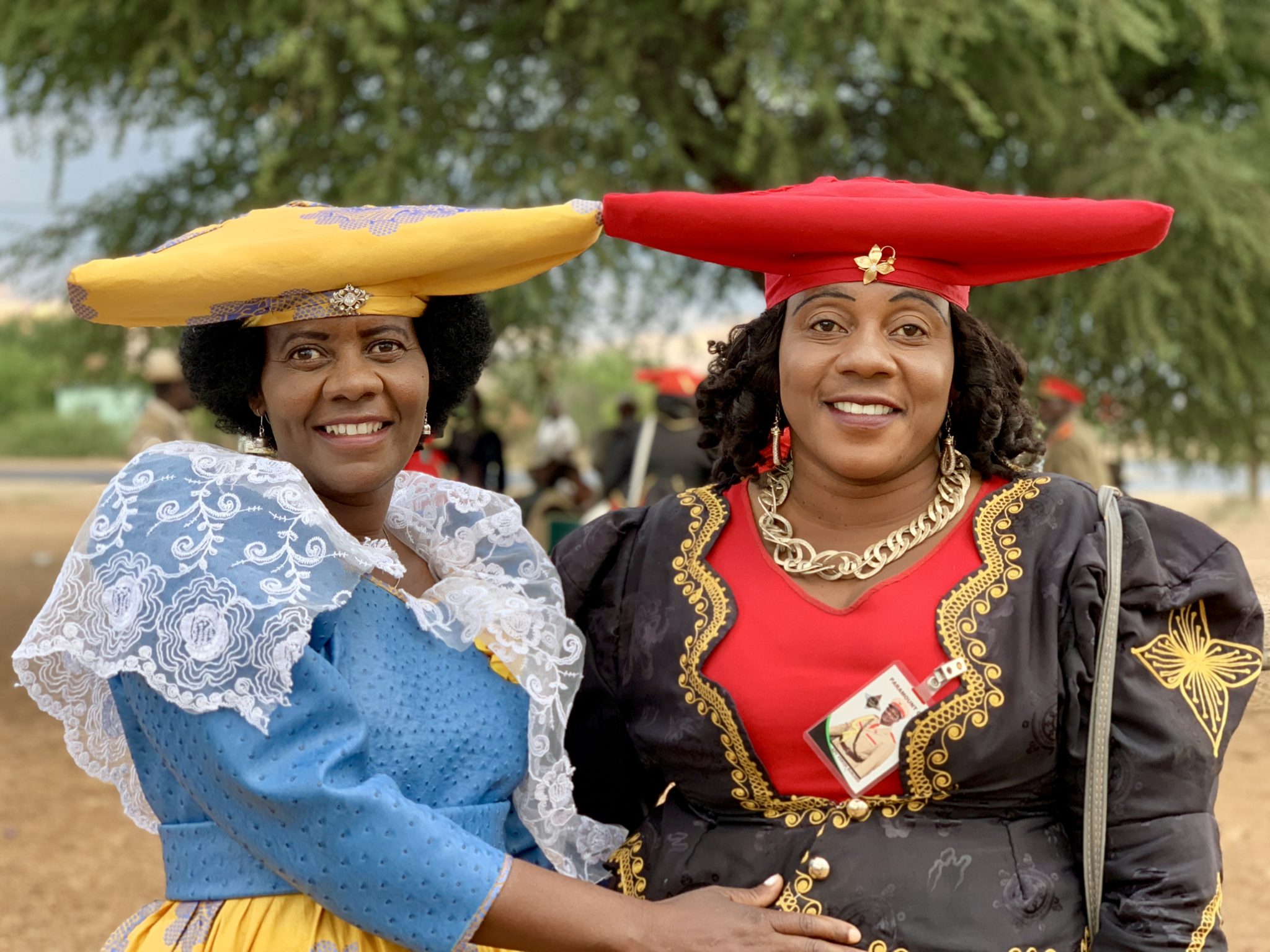
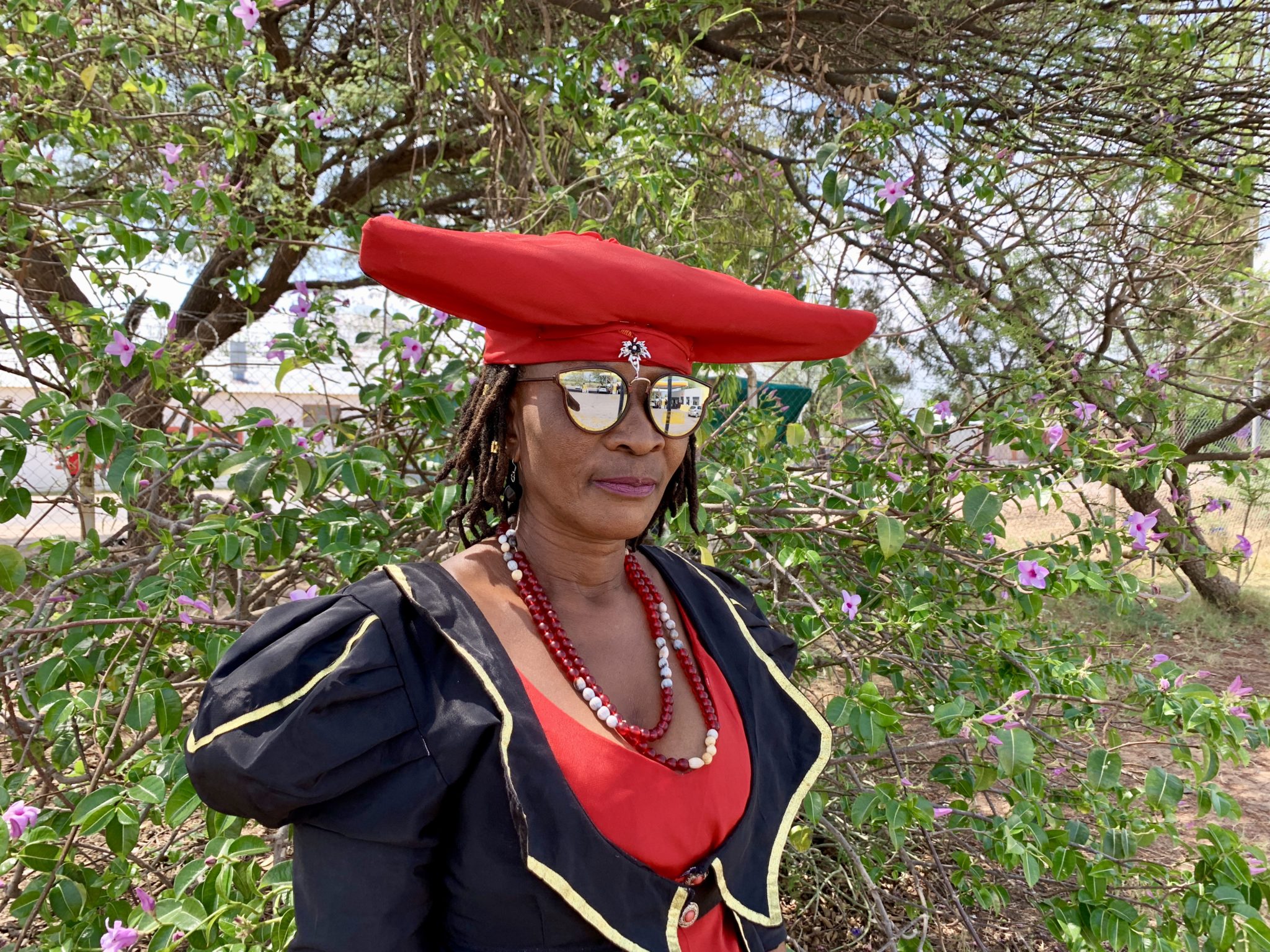
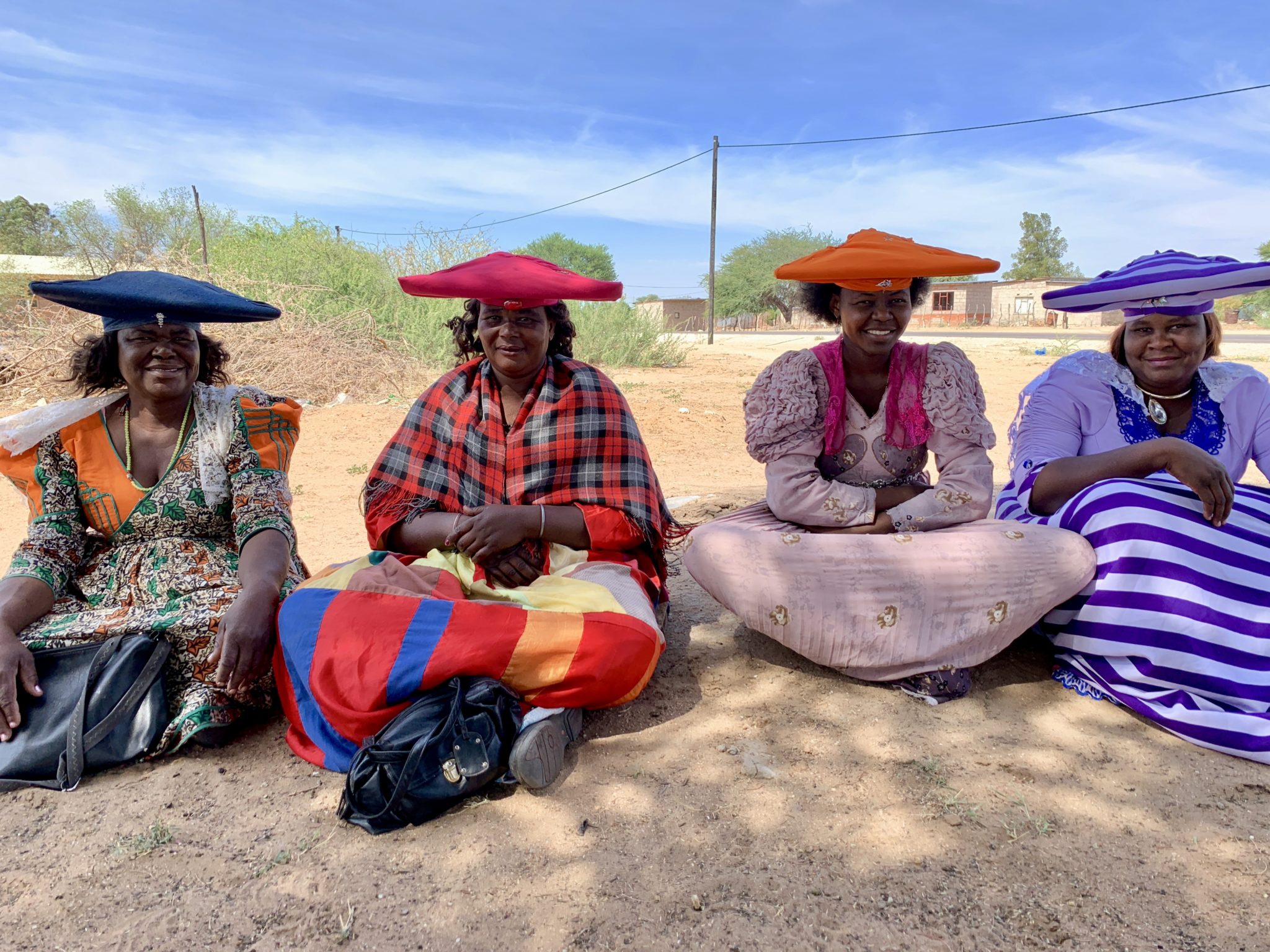
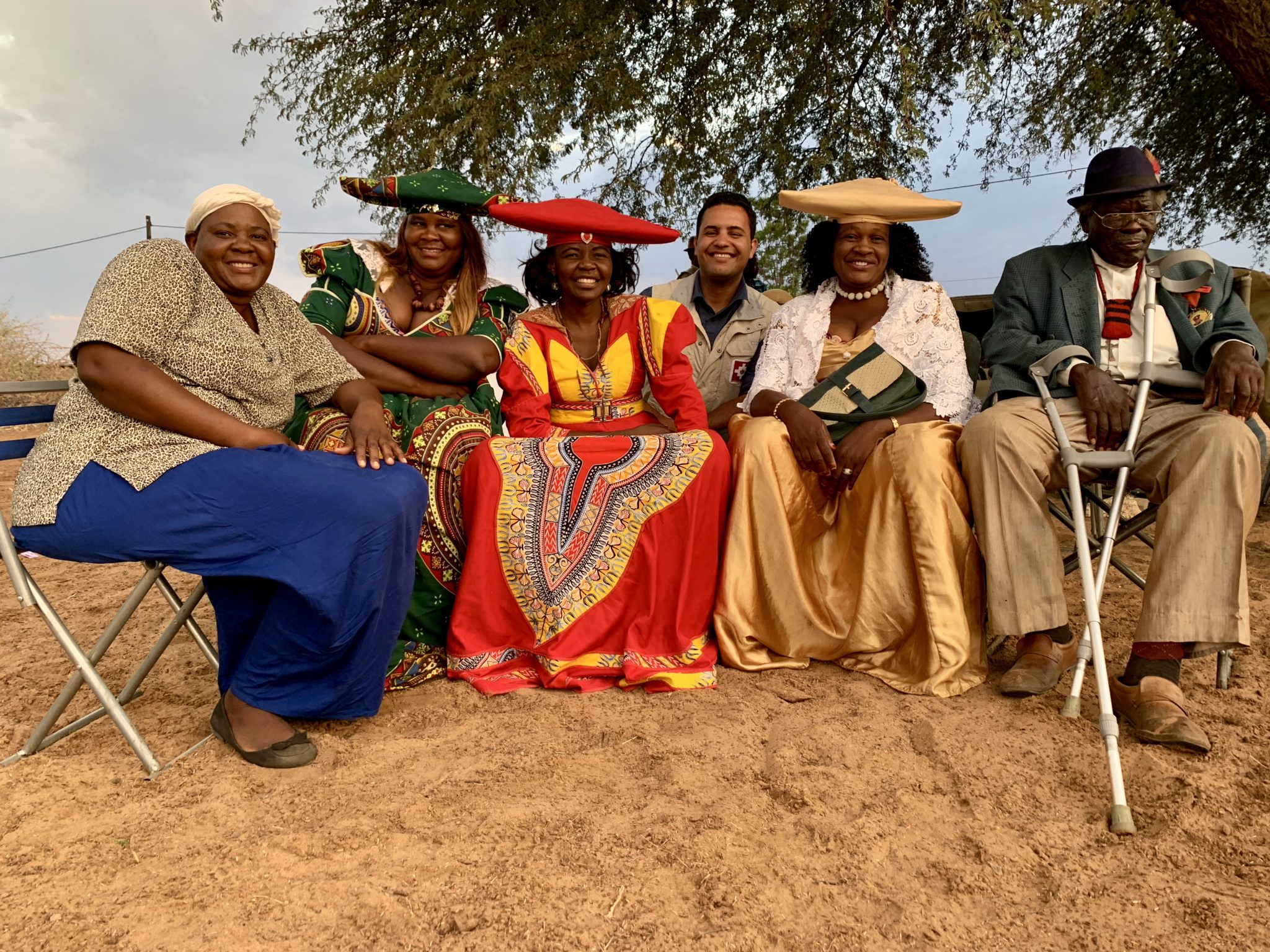
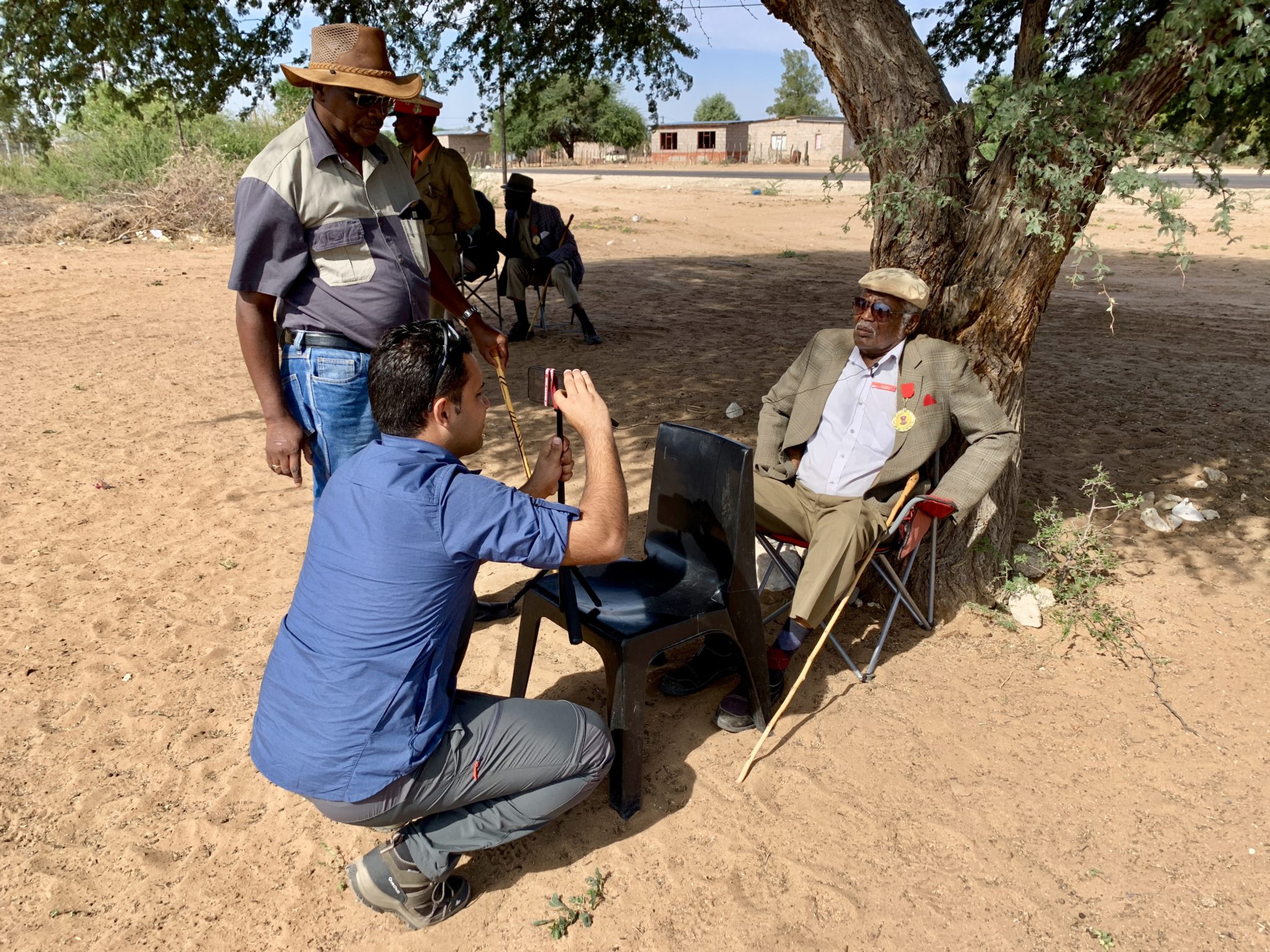
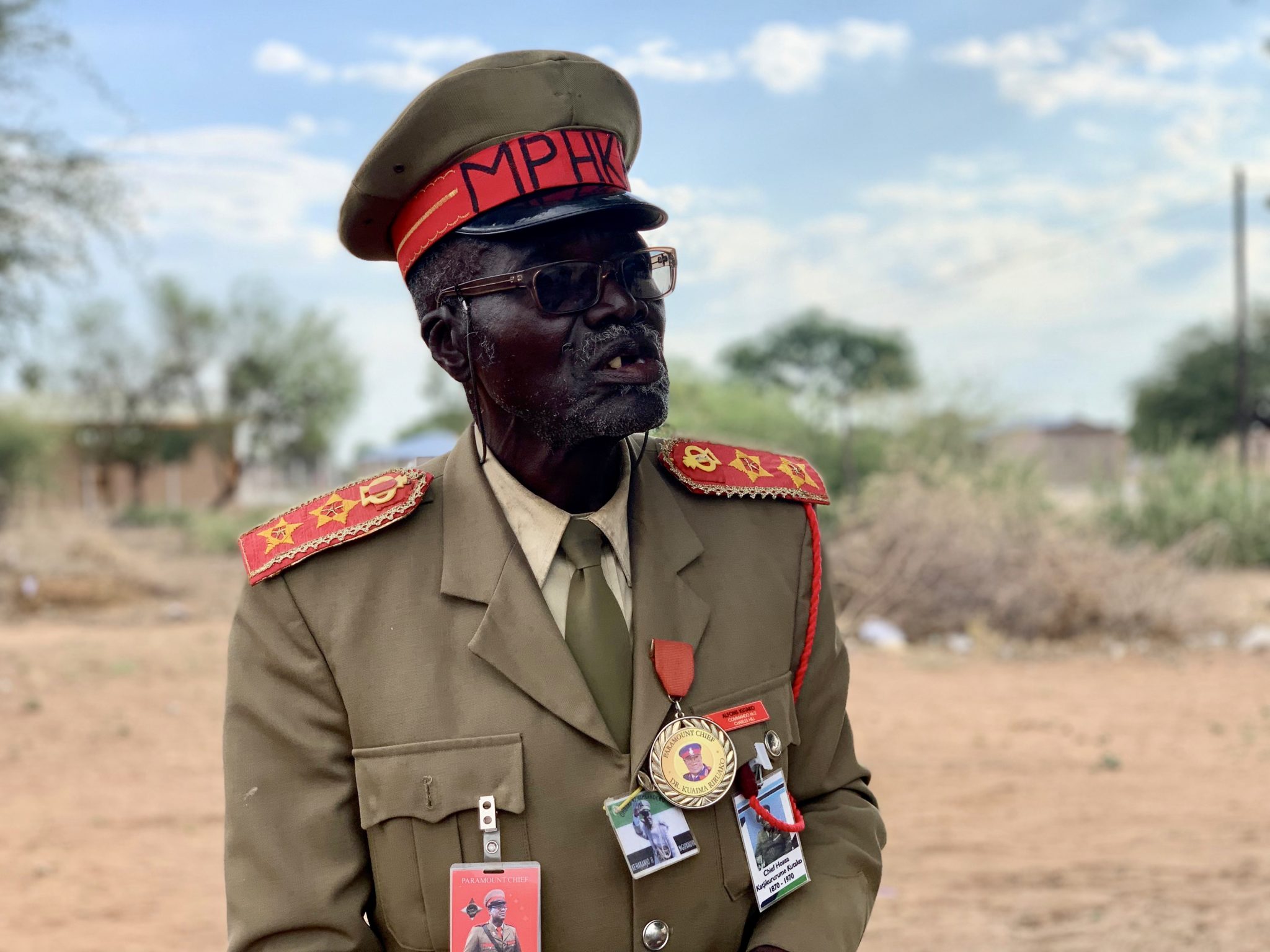
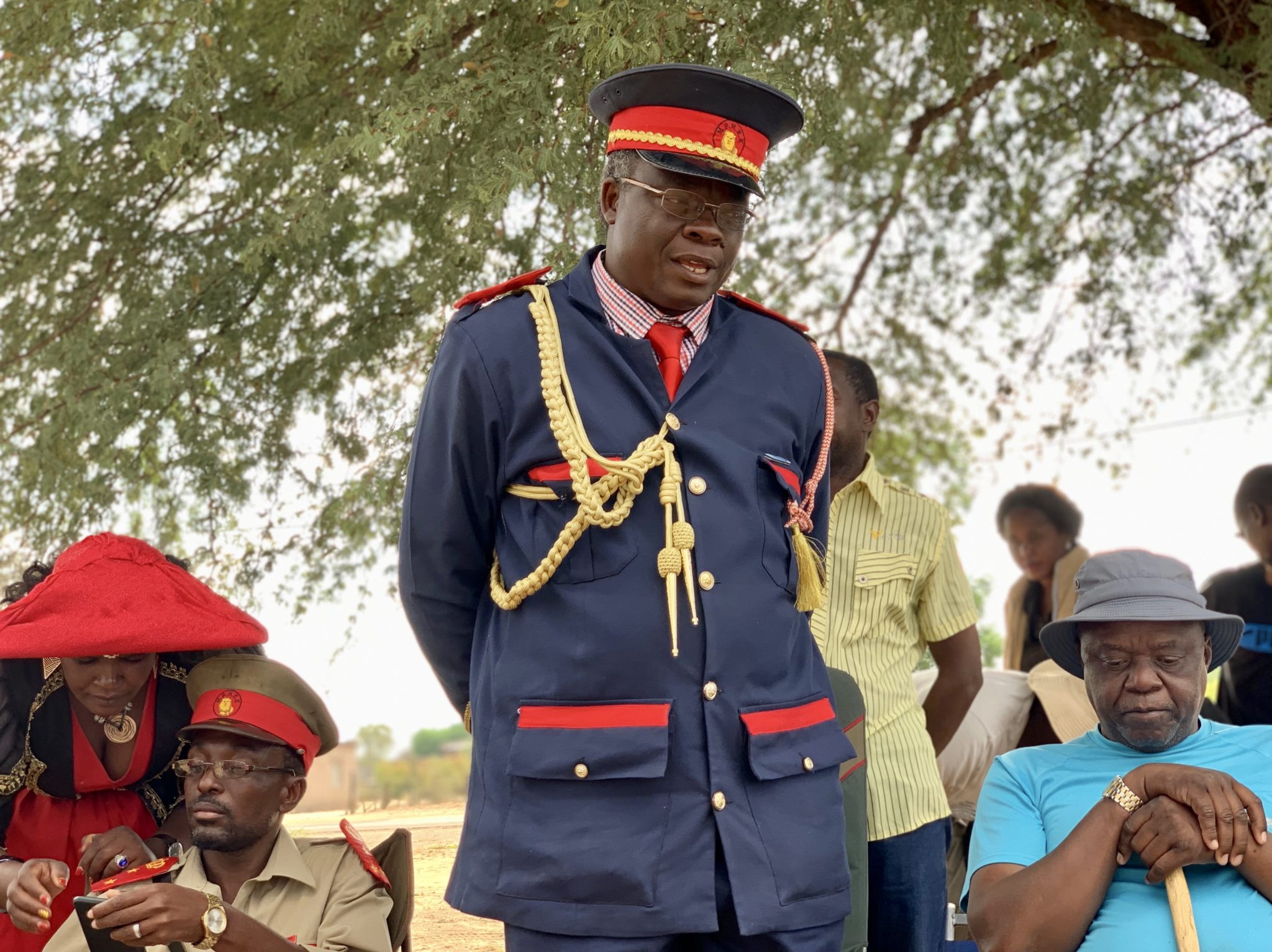
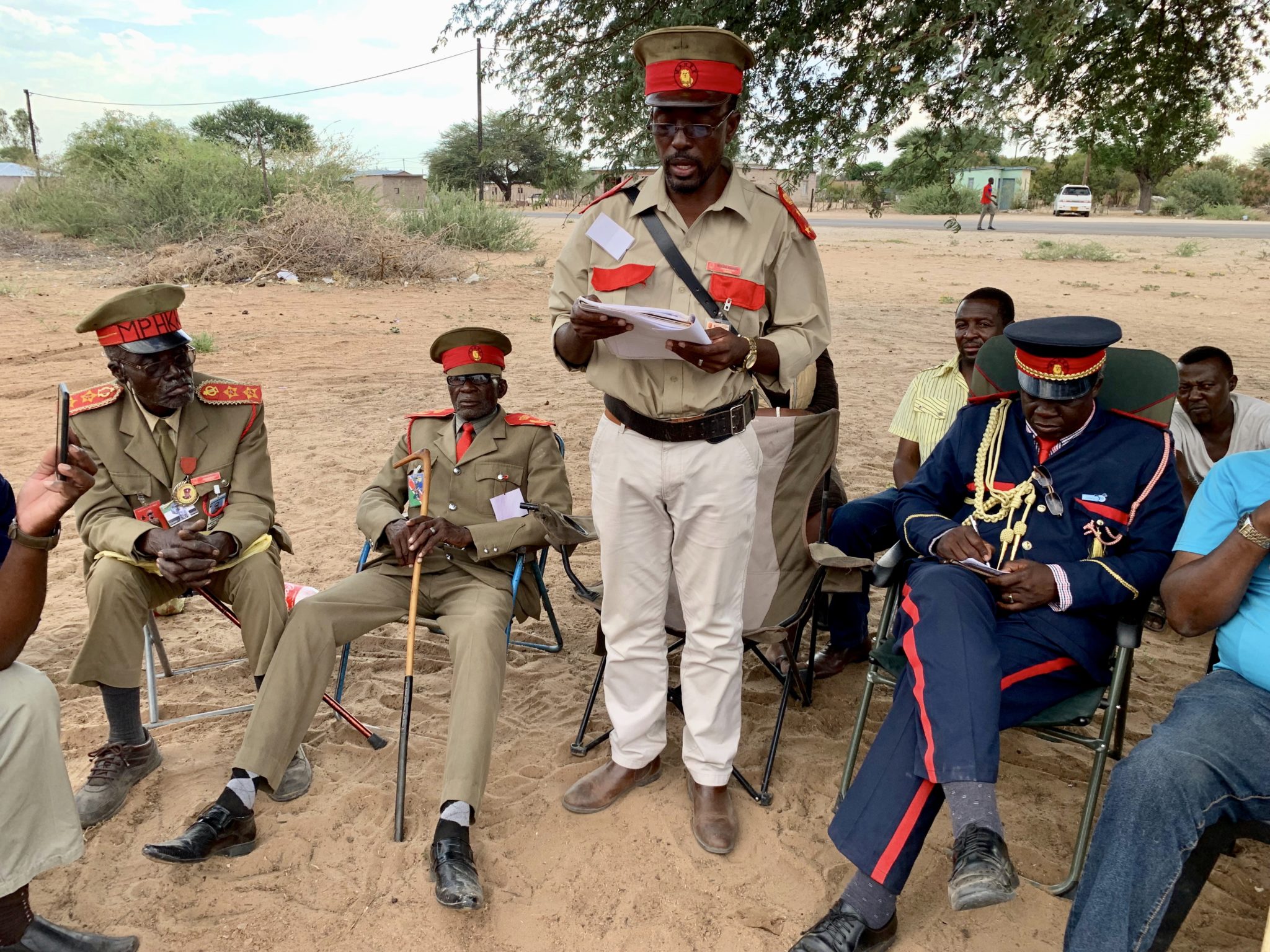
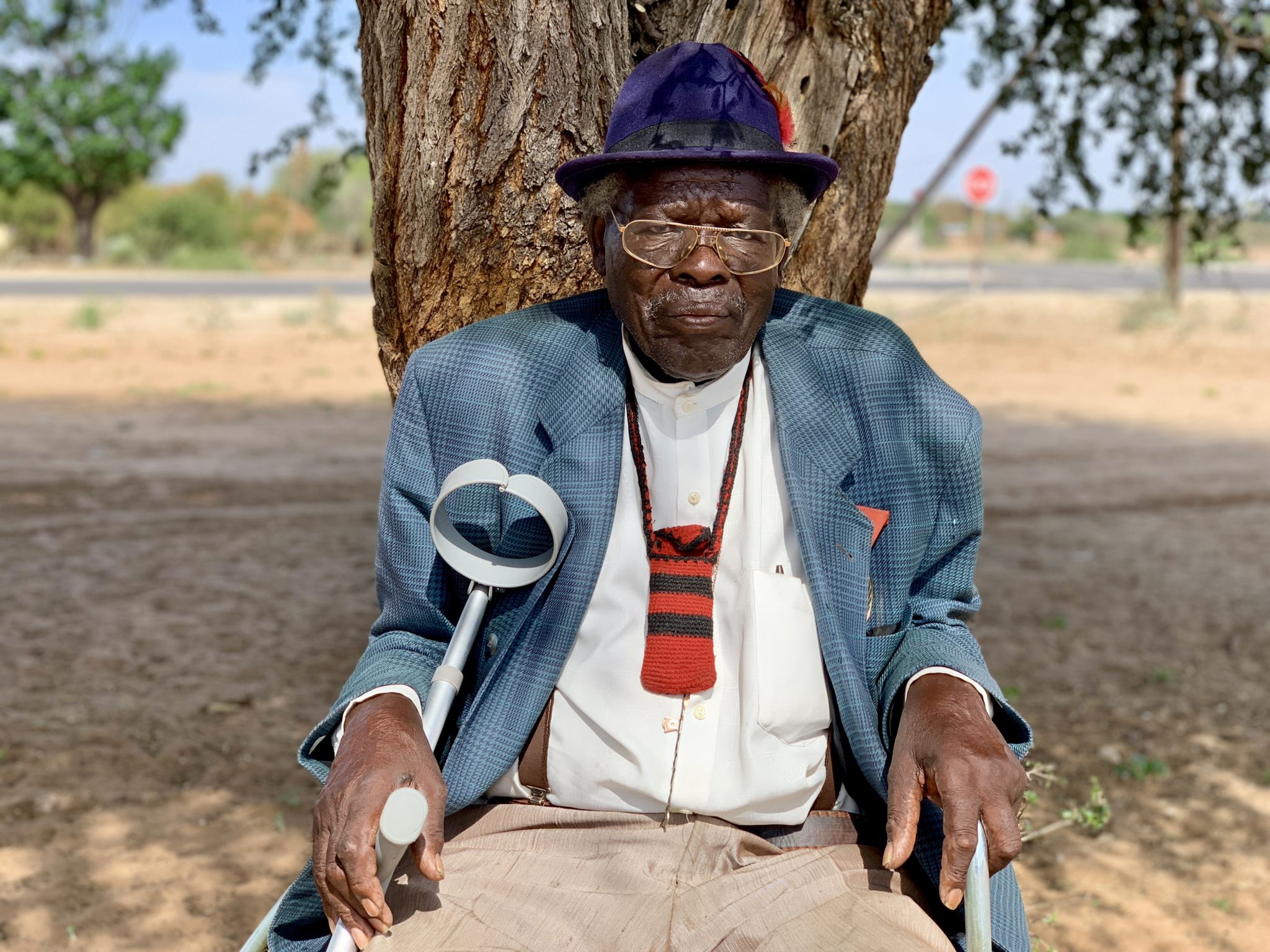
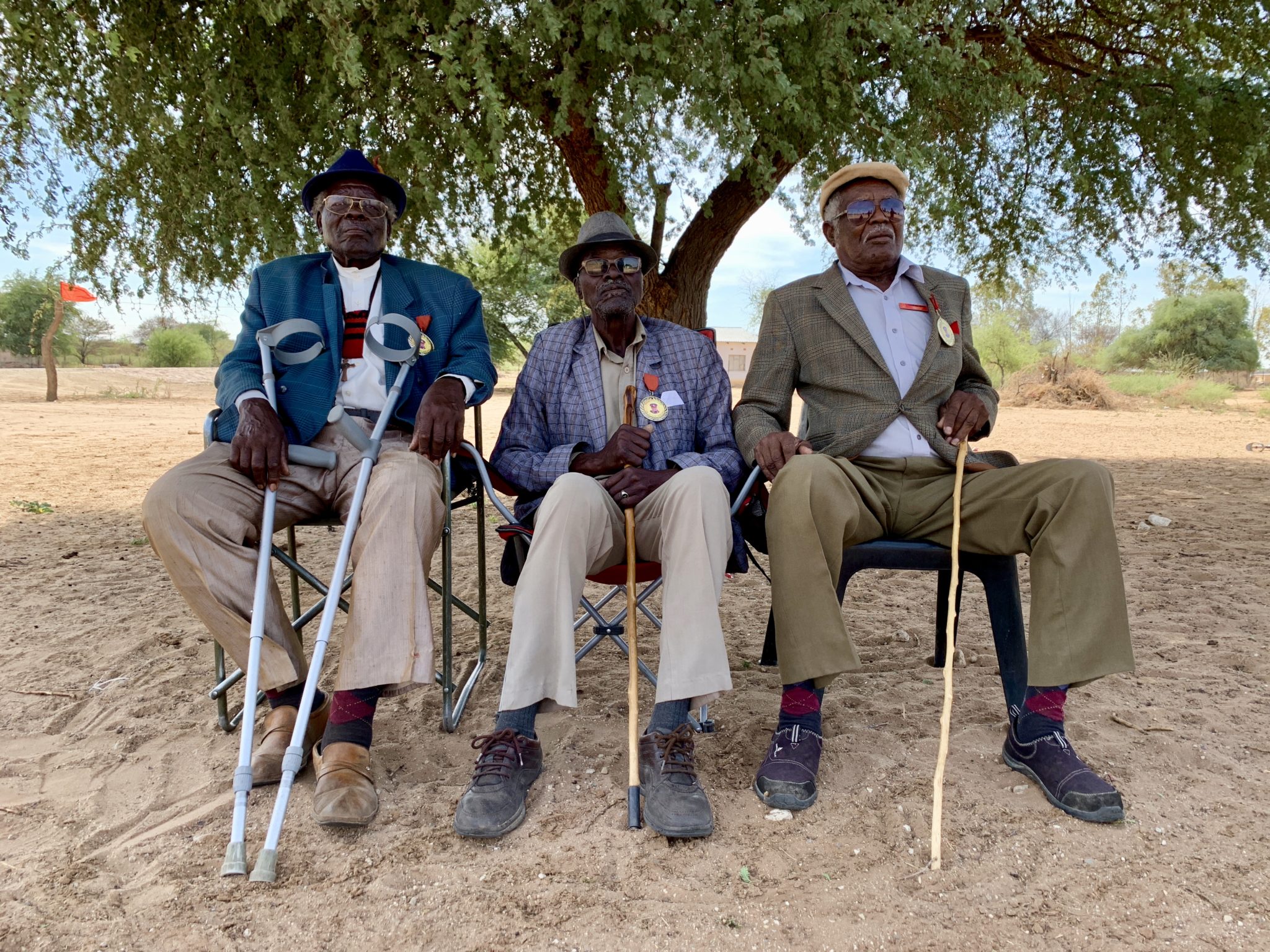
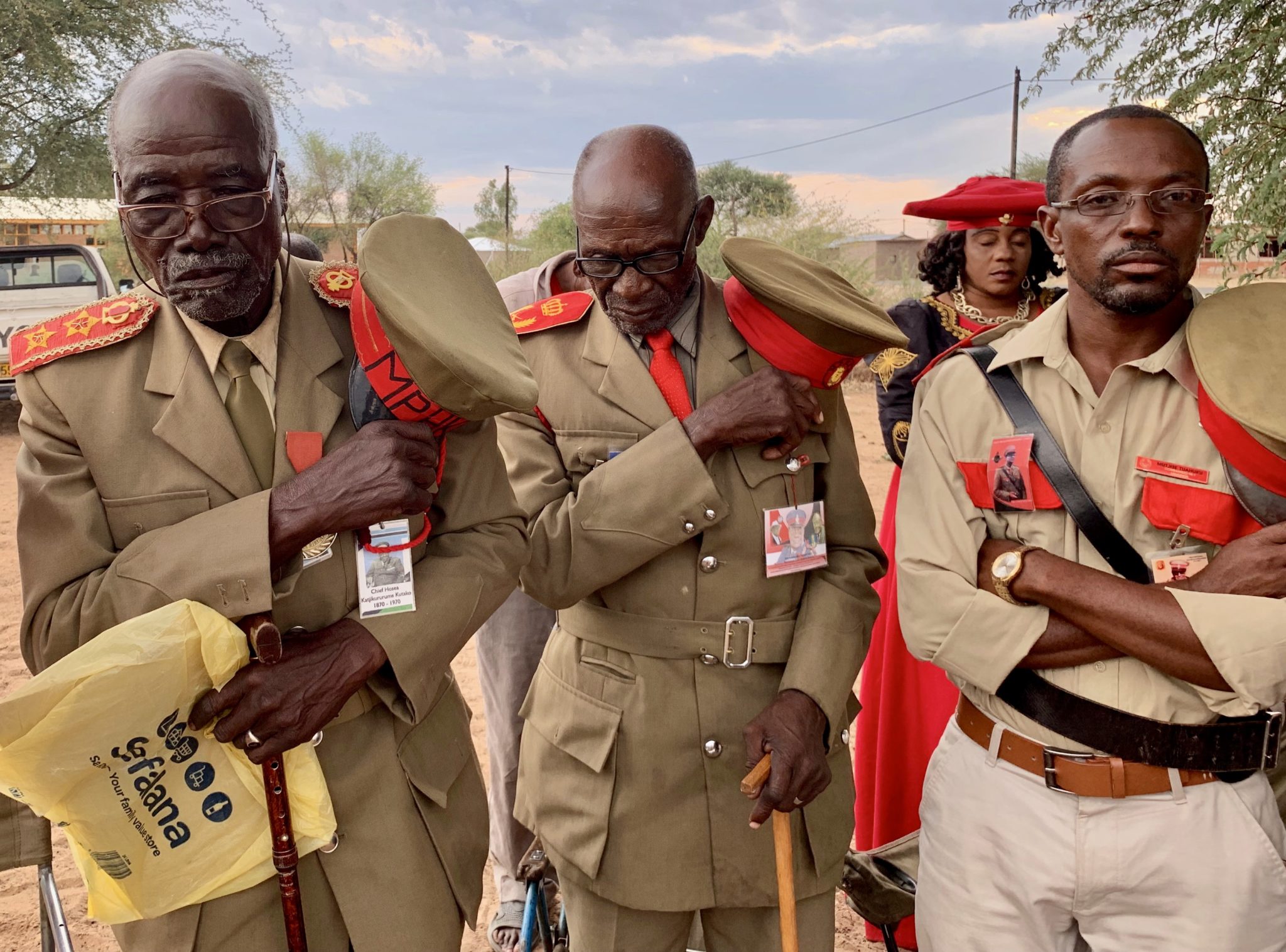
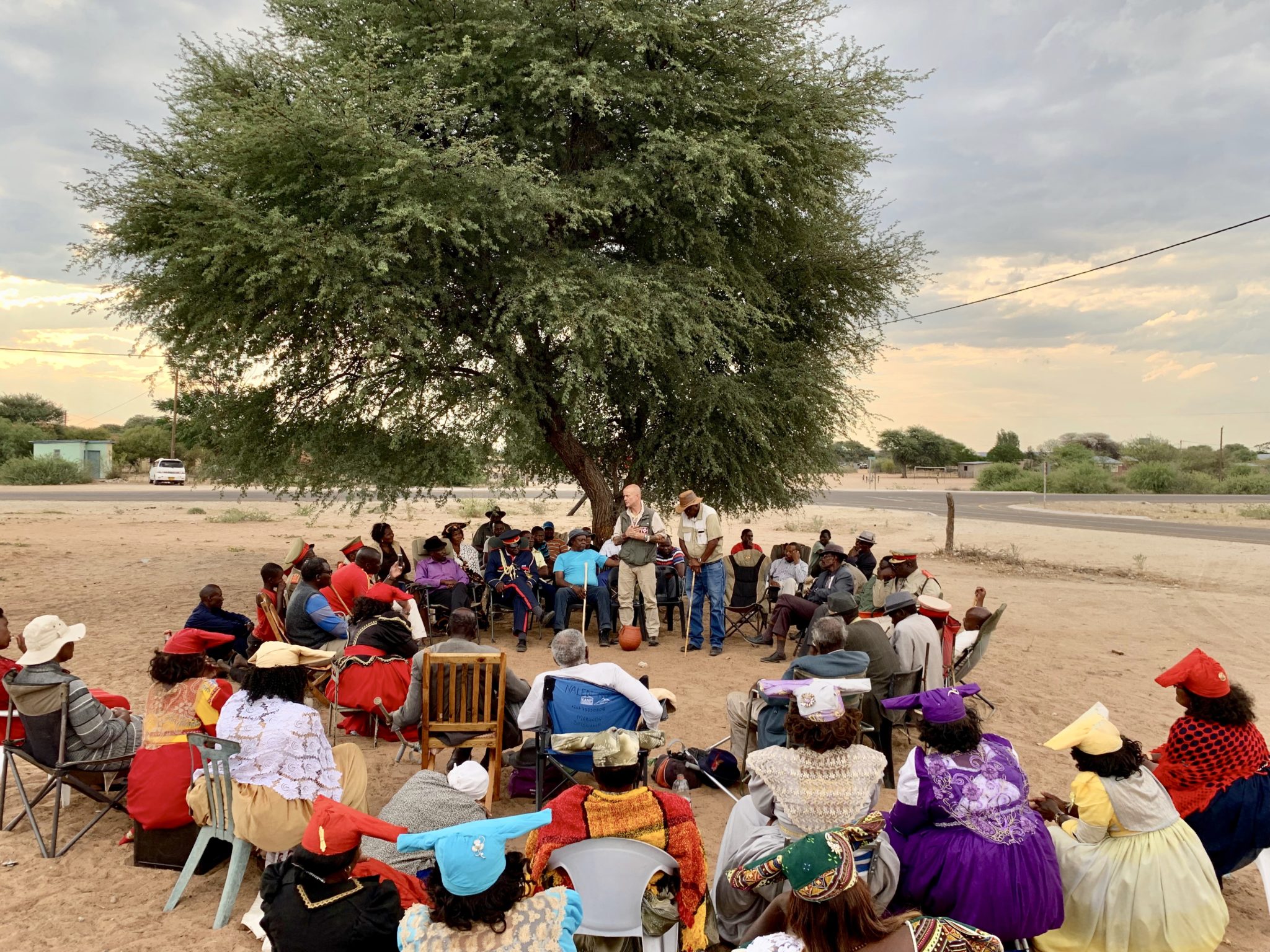
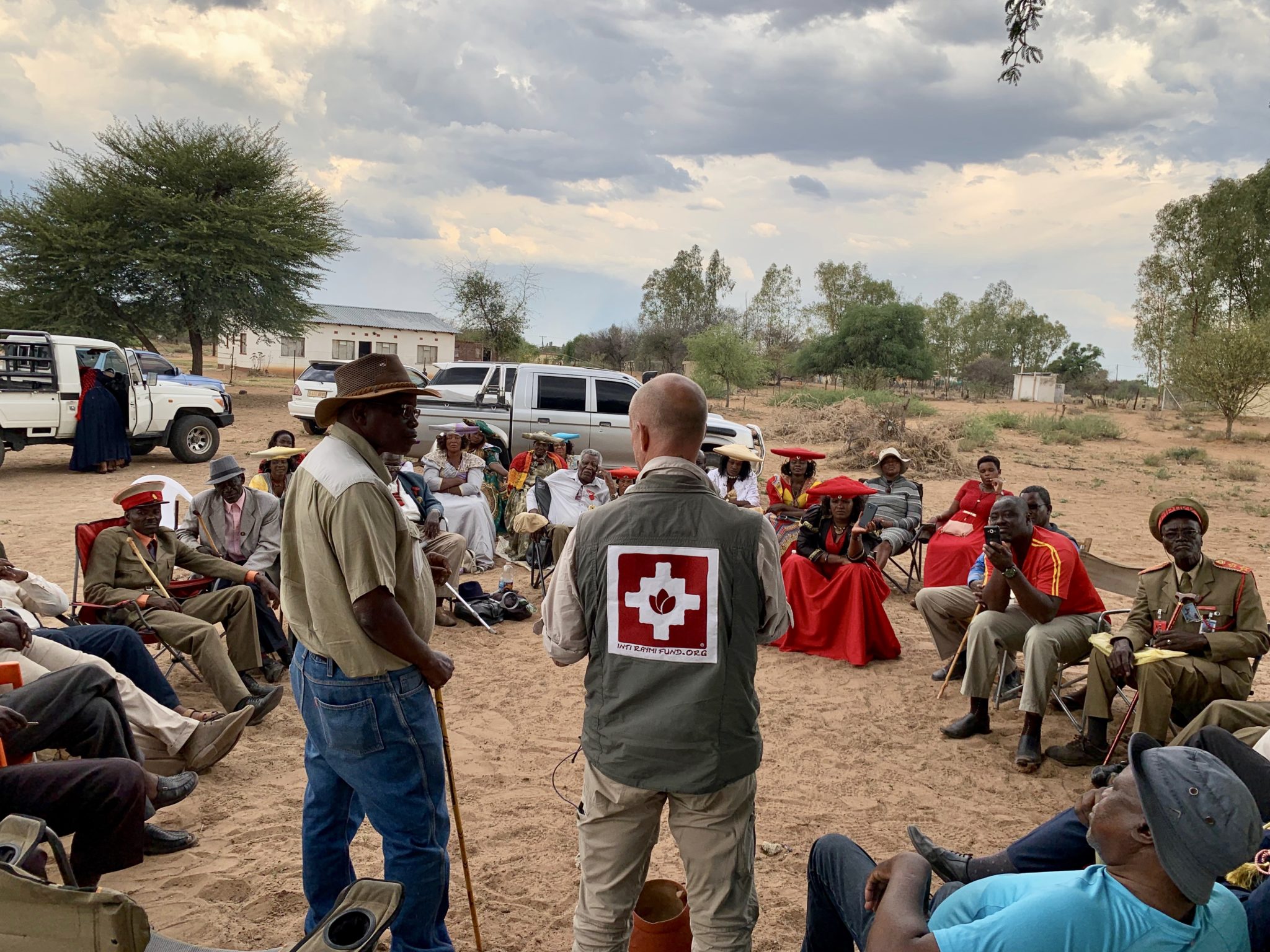
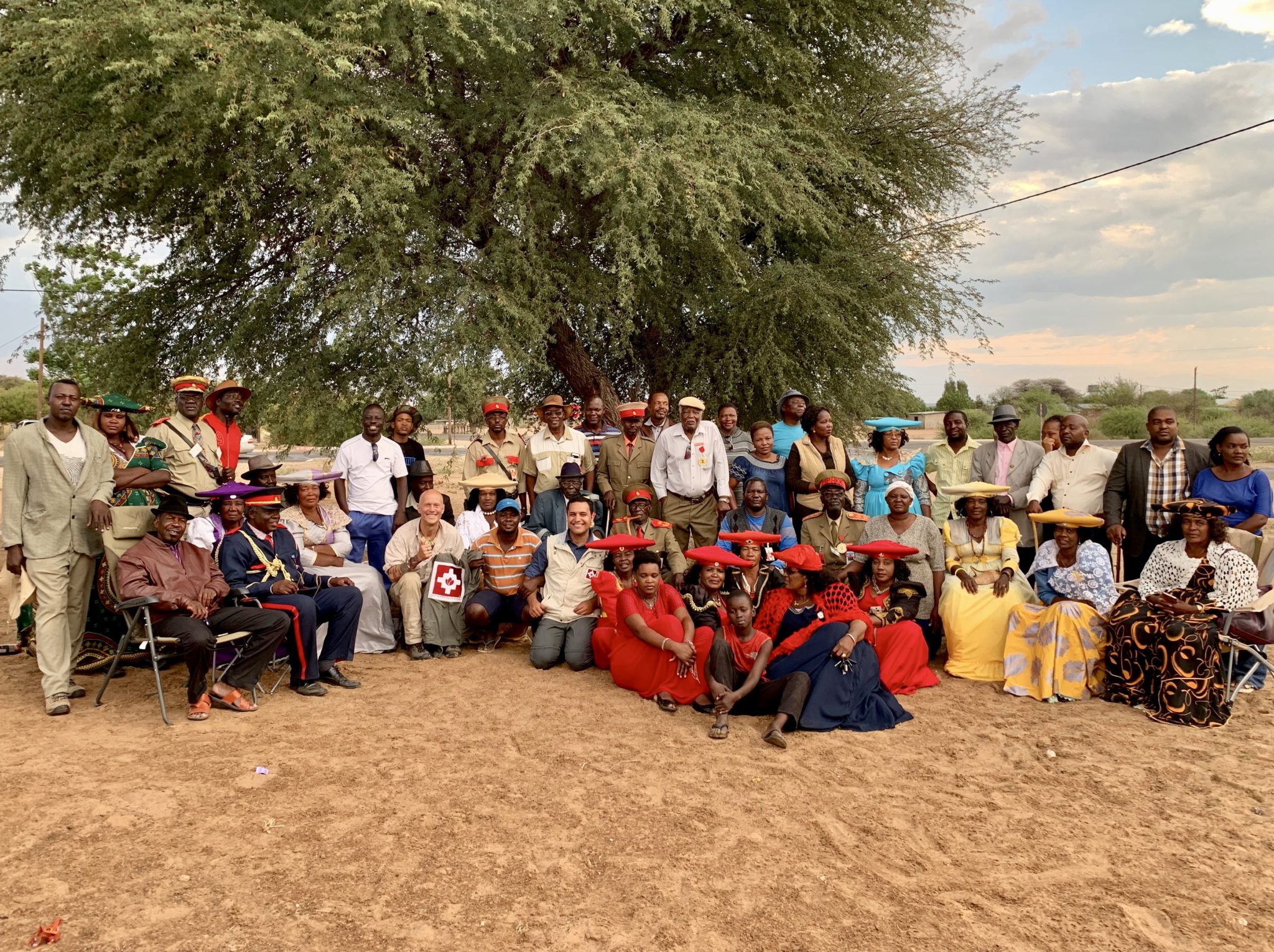
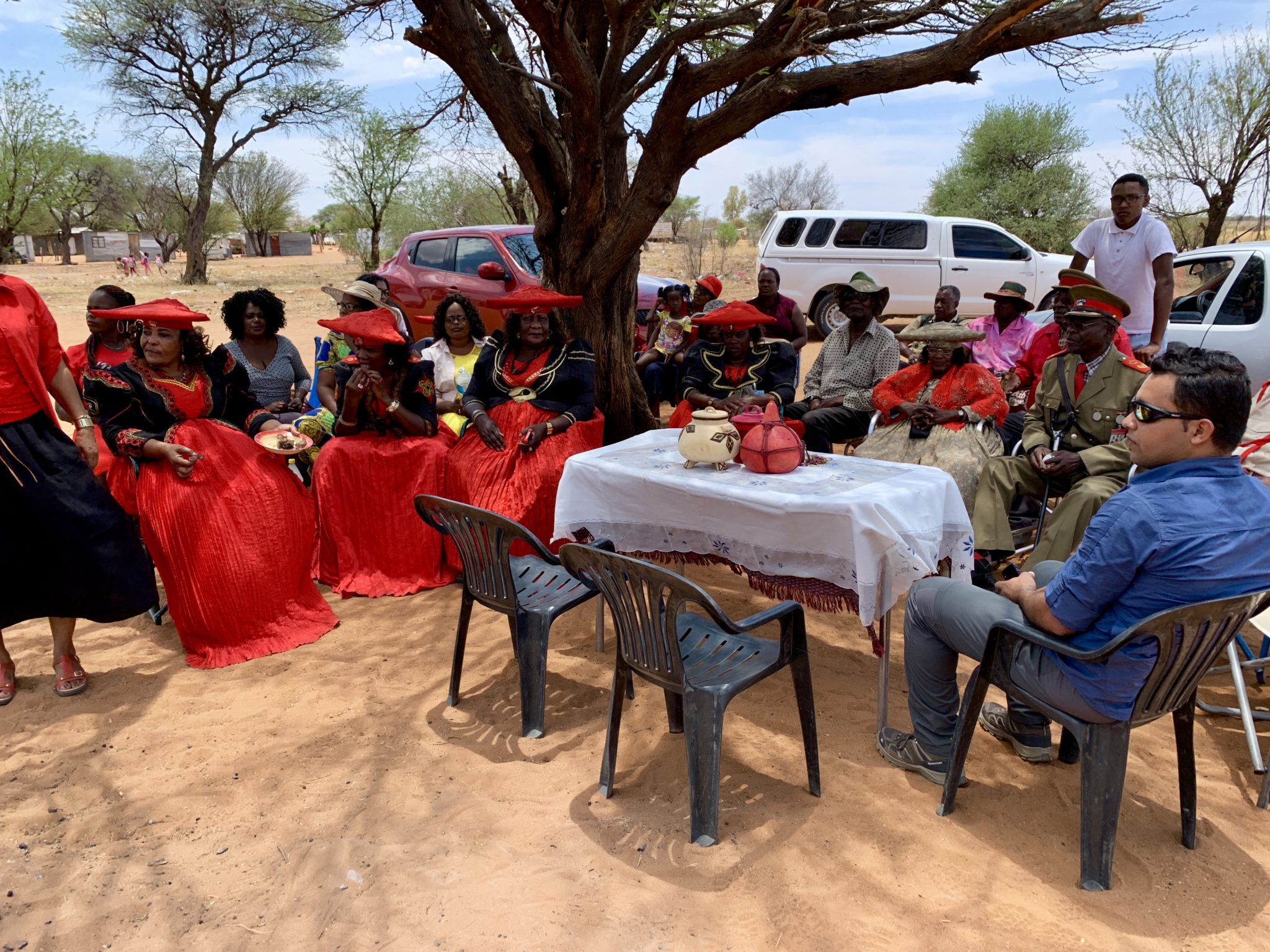
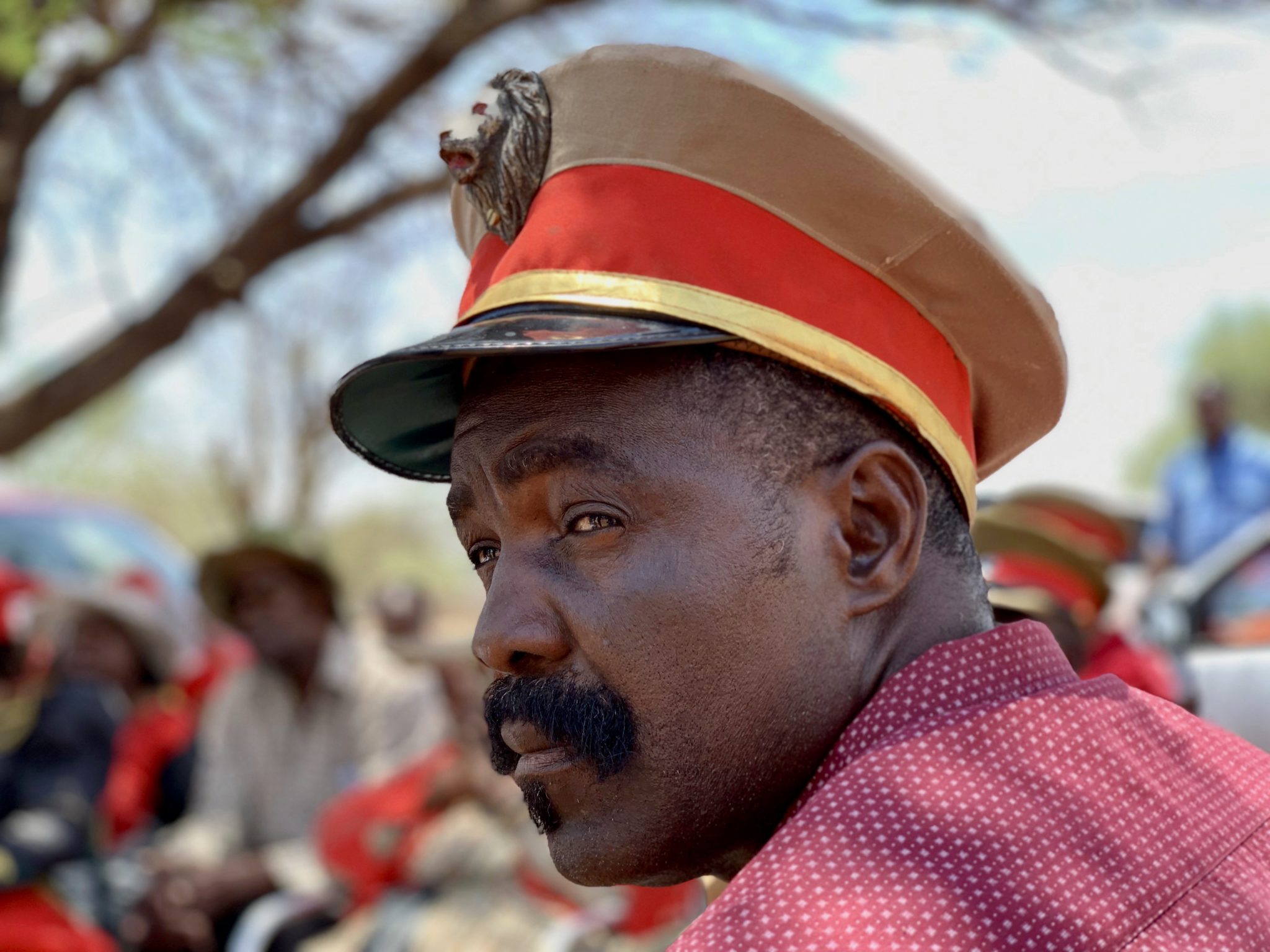
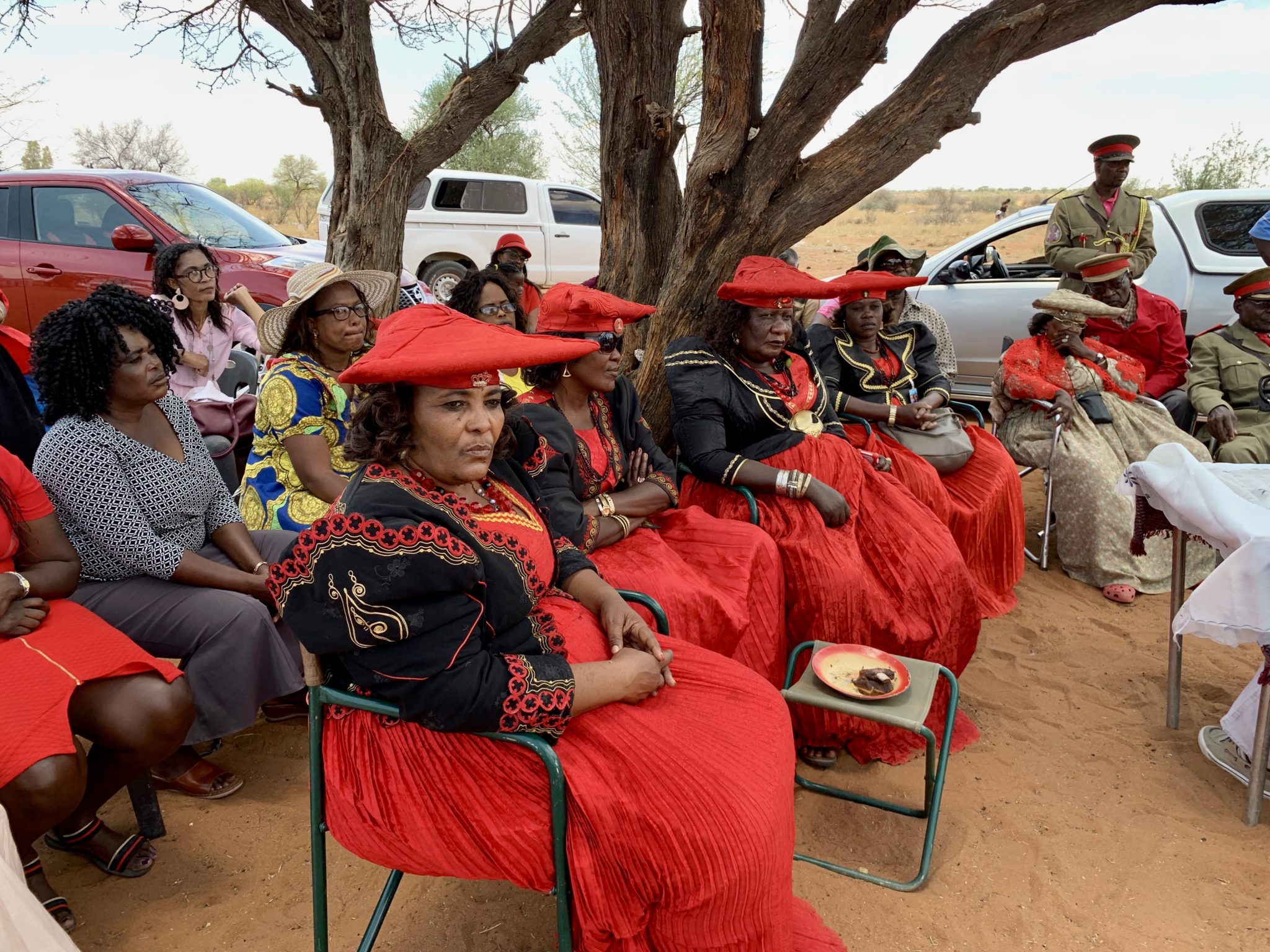
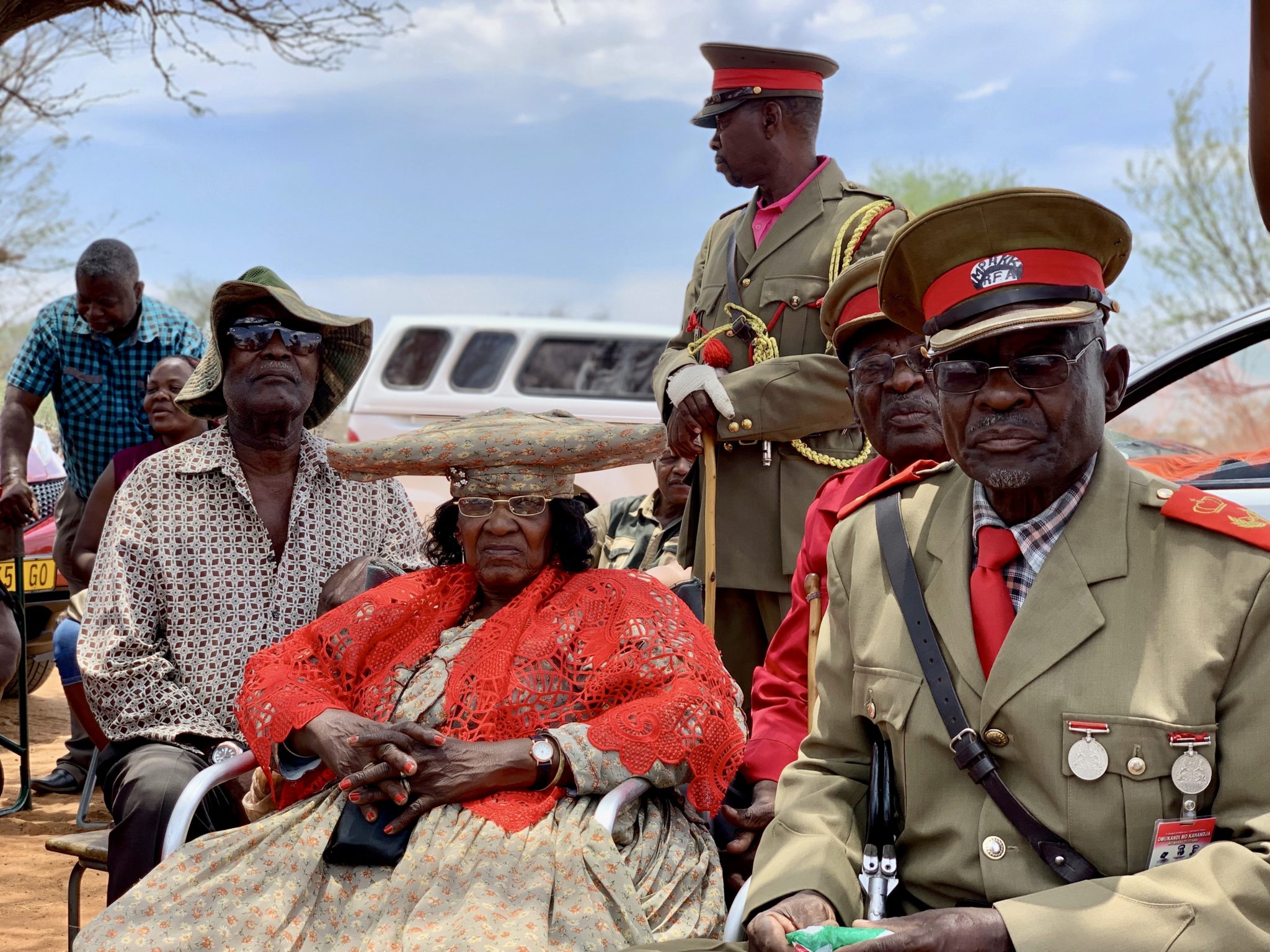
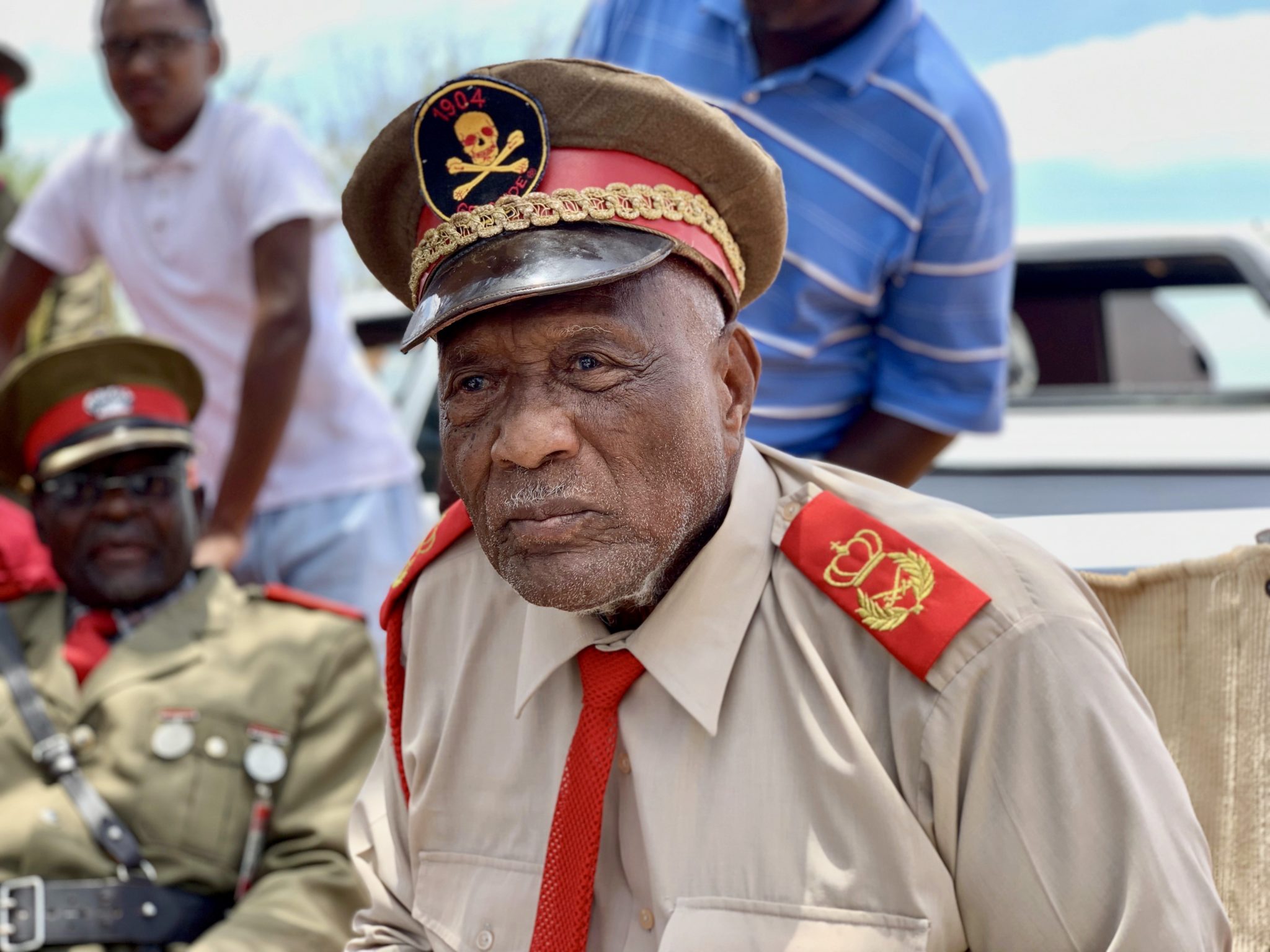
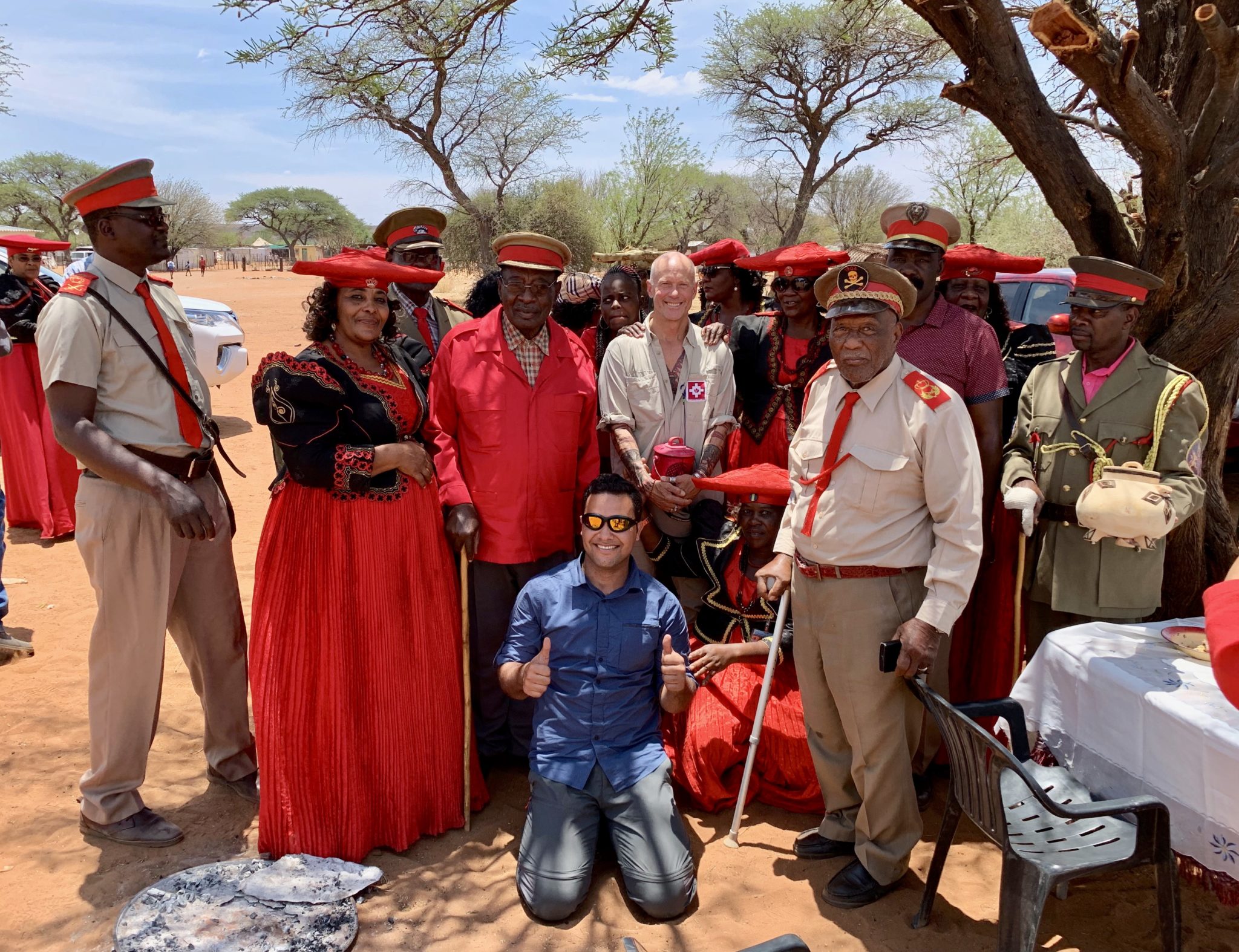
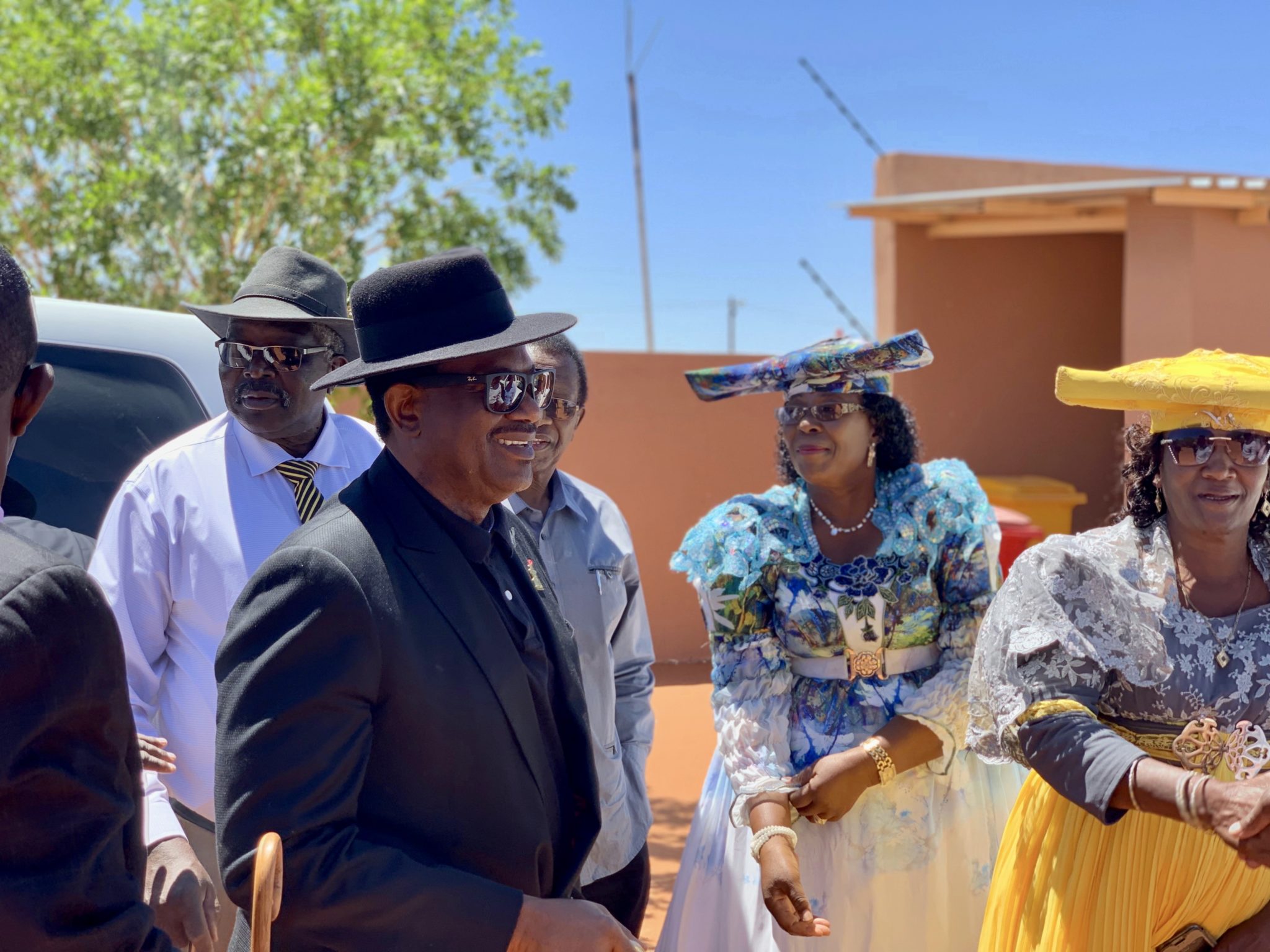
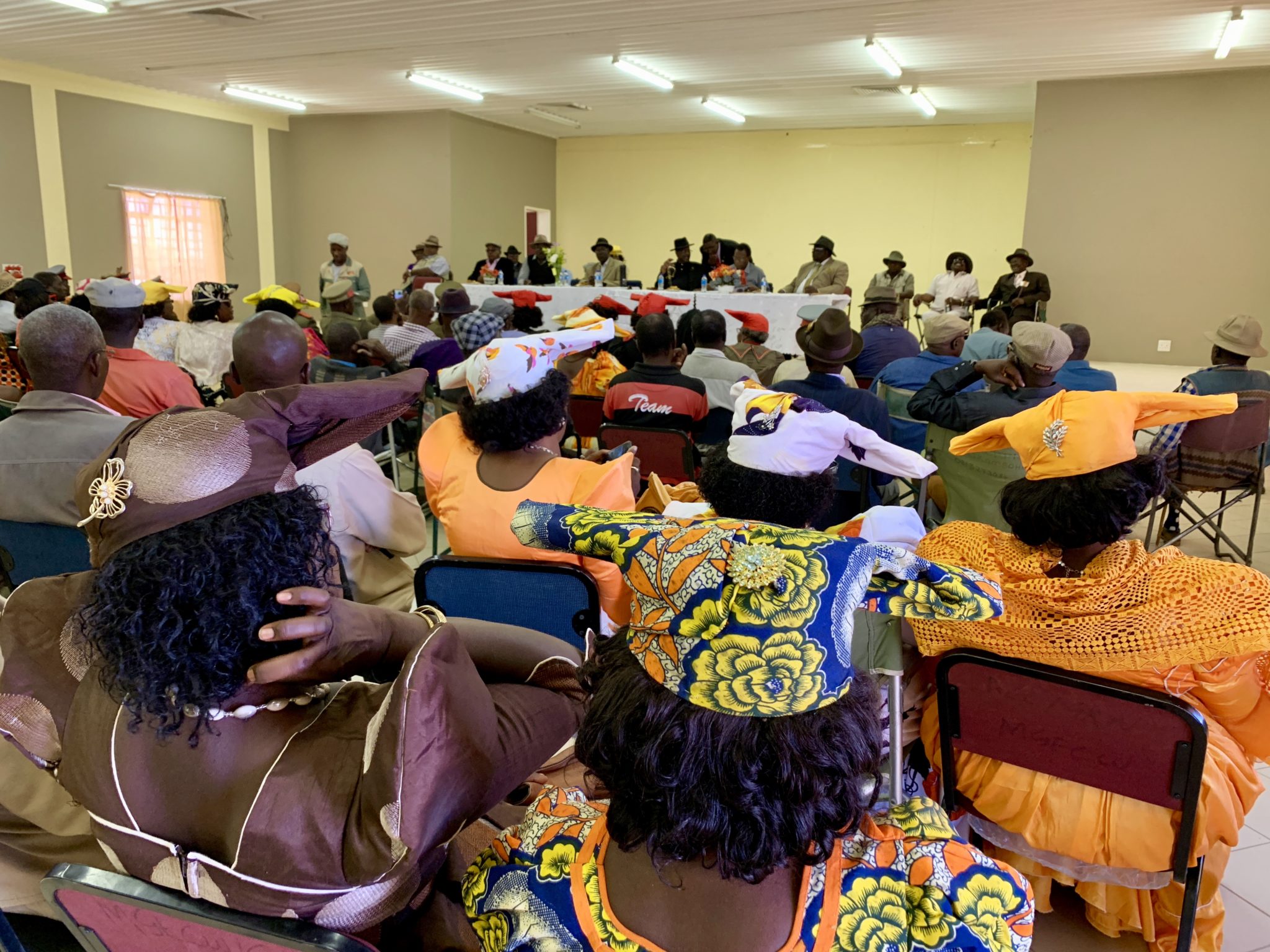
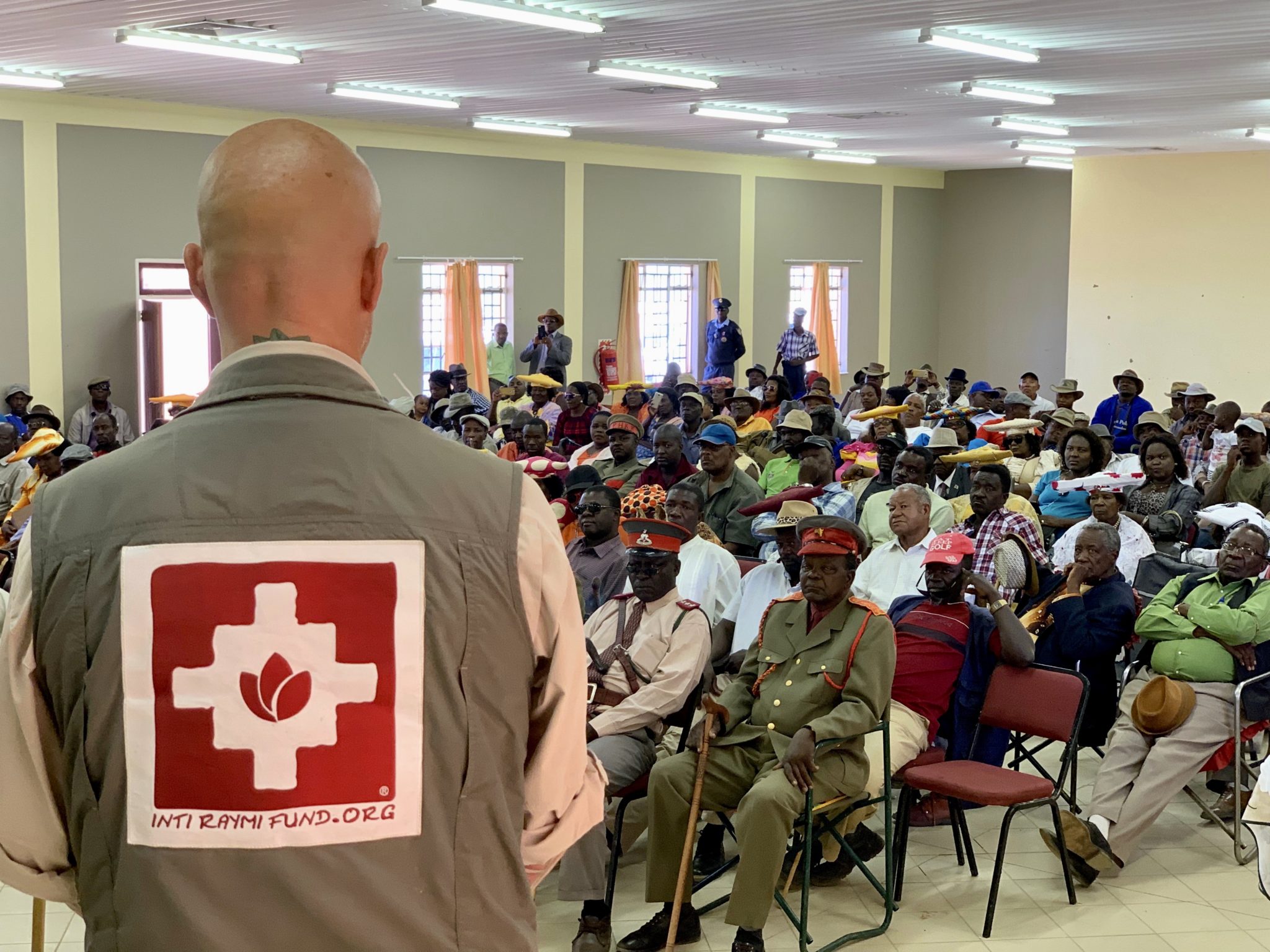
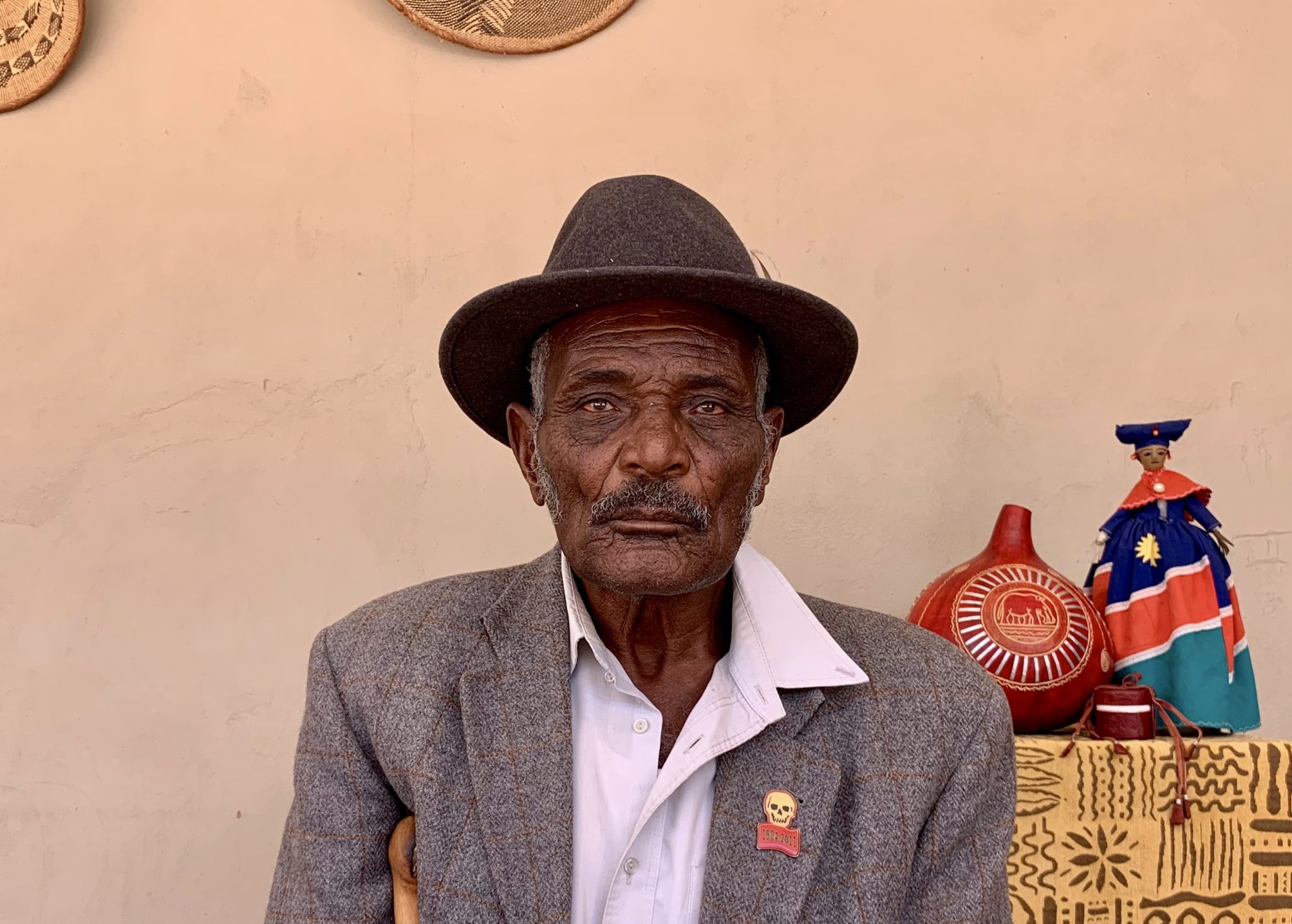
Our first visit took us to the border town of Charles Hill, Botswana. Upon arrival, we were welcomed with the “blaring recorded sounds of lion roars” with the Indigenous Herero women dancing, chanting and singing our welcome with beautifully colorful red dresses and matching hats. These women all wore their traditional red dresses representing the “unnecessary blood which was spilt during their genocide of 1904-1908”. Additionally, they wore their traditional ultra-wide cloth hats which span an estimated 50cm or 20 inches across the front (See our images). During our visit in Charles Hill, we heard countless testimonies of their peoples’ genocide and subsequent struggles to reclaim their lands, cattle and Dignity from their German Colonizers/Occupiers from the 1904-1908 Genocide and subsequent South African Occupiers up until independence in 1990 and until today. The Inti Raymi Fund was able to listen and learn their horrific historical stories, we also spoke at some of these gatherings, and we interviewed numerous survivors/descendants of the genocide.
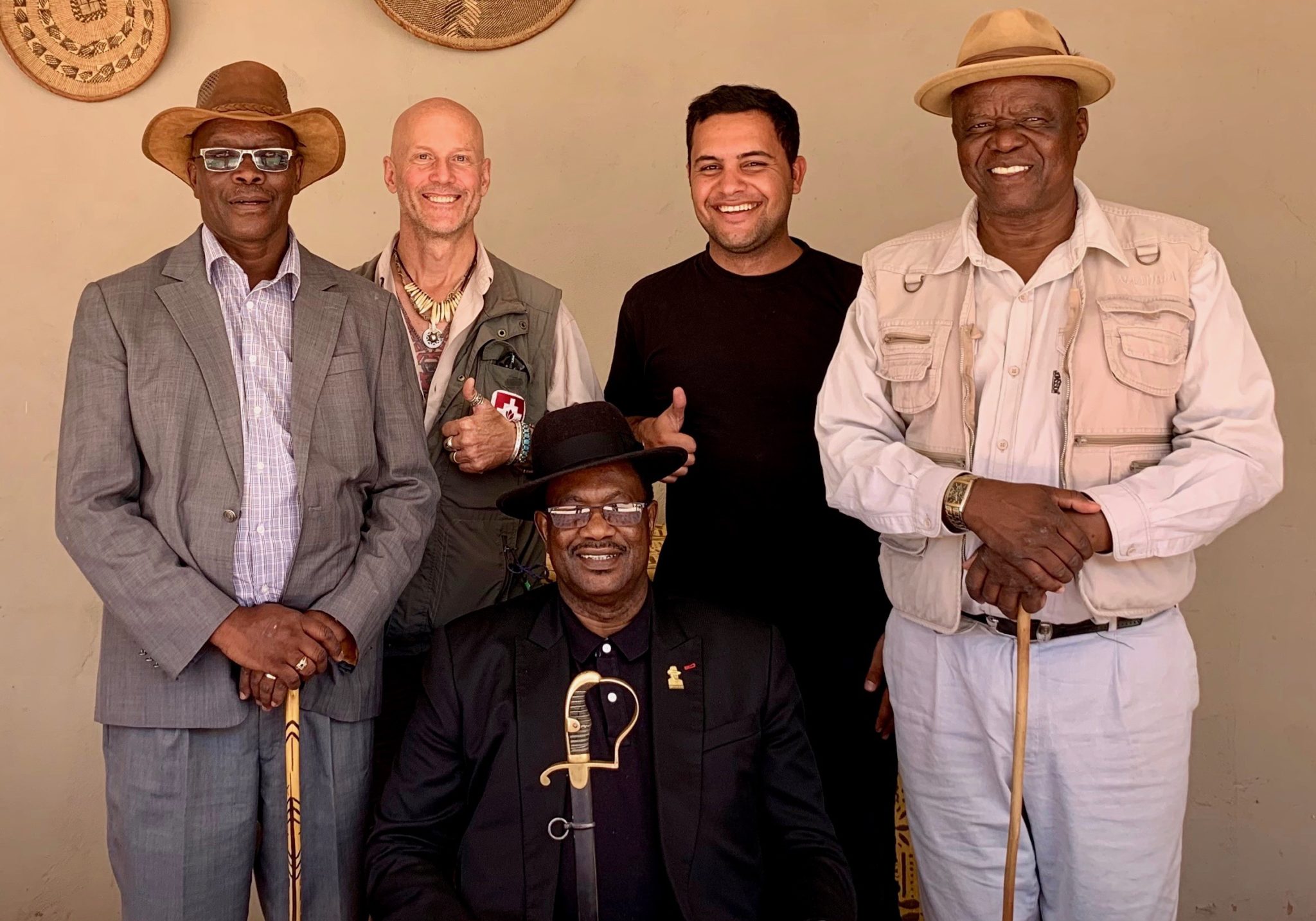
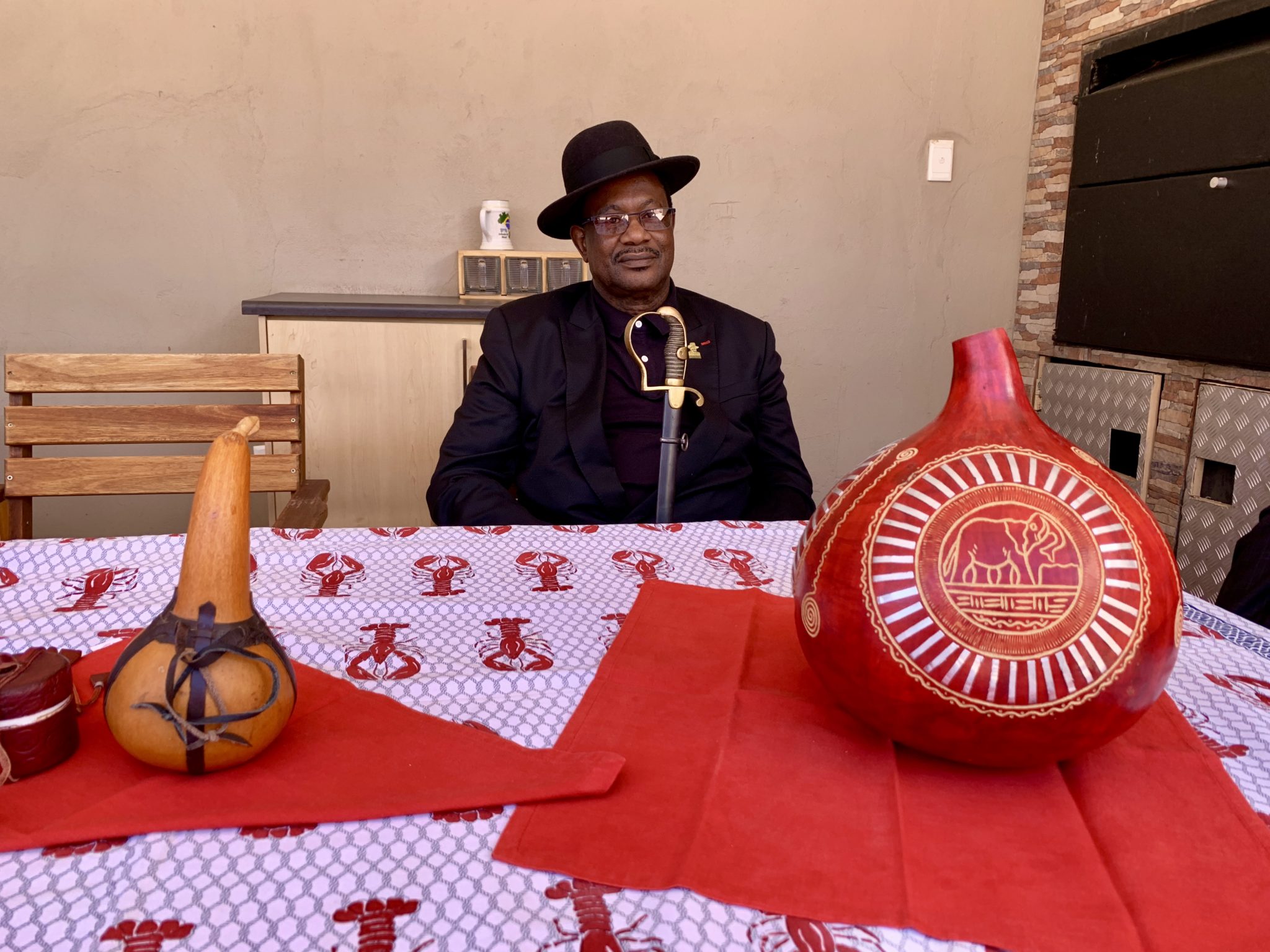
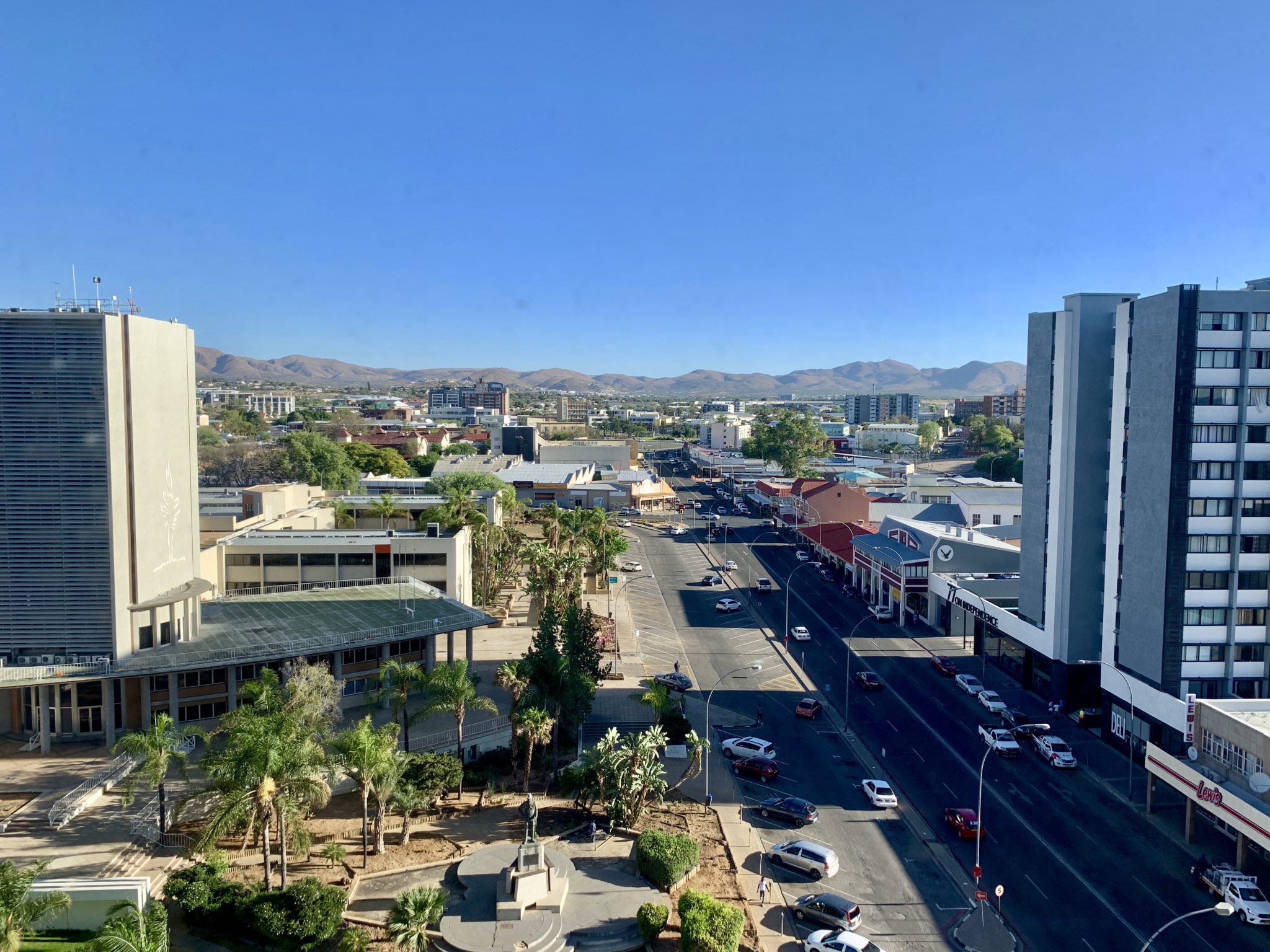
Our second stop was in the Namibian capital of Windhook. This city of Windhook, with its upscale high-rise office buildings and hotels, threw us off-guard. All we’ve seen so far were the impoverished under-developed country-side villages with various amalgamated tribes and many exiled Nama and Herero descendants of the genocide in their barren Kalahari Desert region of the Eastern Namibia. Upon arrival into Windhook, we immediately noticed the “ever-present Apartheid walls” with “upscale residential communities, self-imprisoned with 4-meter high concrete walls, barbed wire and electric fences obviously “fearful of others” getting inside their compounds. Who are the real prisoners here?  The predominantly black (estimated at 93%) Indigenous Peoples of Namibia, of various tribes and the minority white German population estimated at 7%.  During this visit, we were fortunate to meet with and interview Nokokure K. Veii, who is the director of the Riruako Centre for Genocide & Memory Studies. Here we learned of the aspirations of the Nama and Herero Peoples as they struggle to “regain a footing in society” since they were so far disadvantaged by their colonized past. Additionally, we visited with a prominent group of leaders within the Ovaherero Genocide Foundation to discuss various ways we could collaborate and or help their cause further. Also, we were fortunate to meet with and spend time with Vekuii Rukoro who is the Paramount Chief Advocate representing the Indigenous Nama and Herero diaspora of Namibia. Lastly, we traveled to a remote regional community center near the eastern border of Namibia for the Paramount Chief’s presentation and dialogue with constituents within this Nama and Herero community.

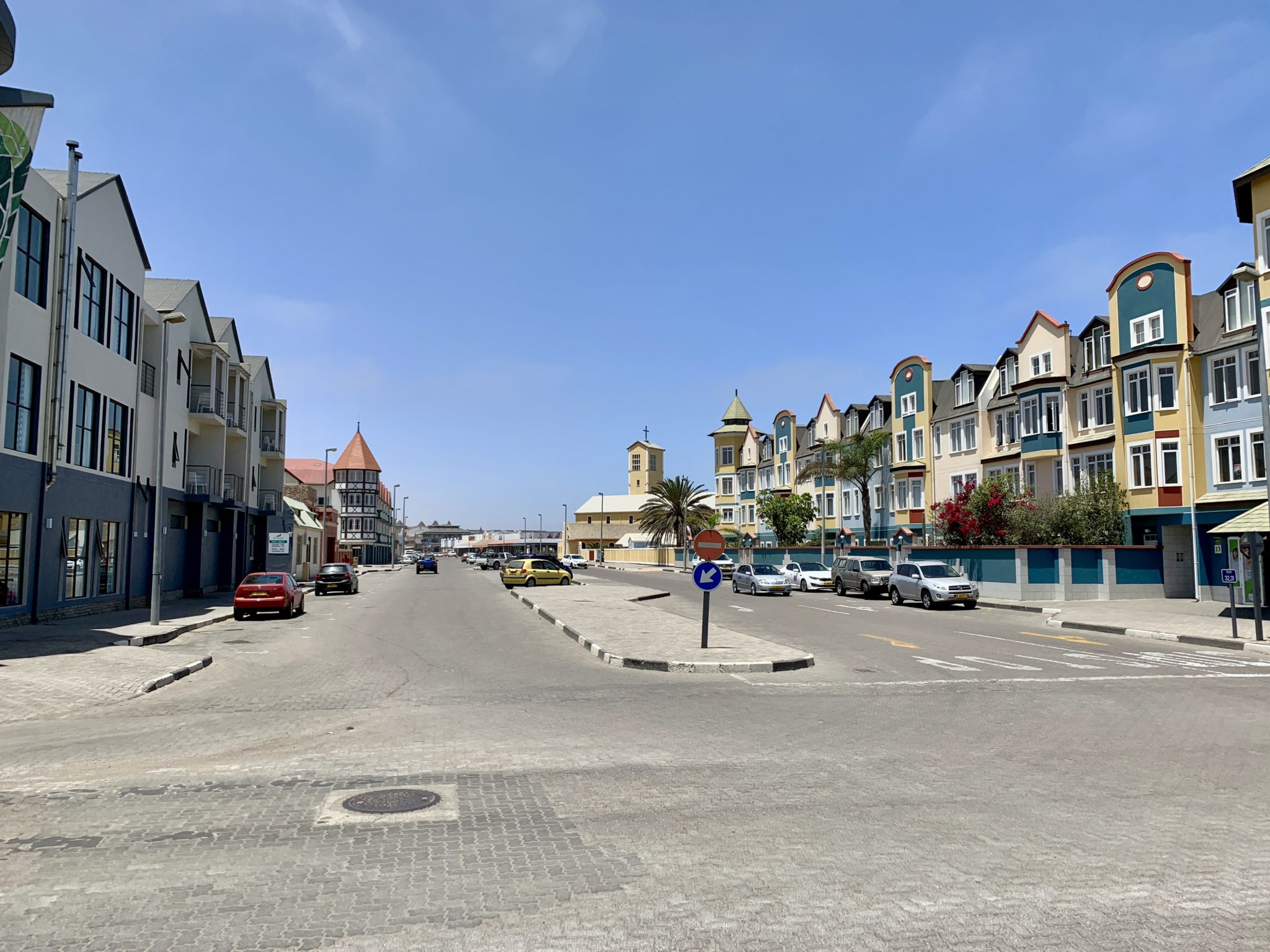
Our final leg of the journey led us to Swakopmund, Namibia which was the original German Settlement area of the late 1800’s. The “air was thick with the smell of Apartheid” as we could feel the underlying tensions as we walked with these two prominent black Herero men within this minority ruled white German populated country of Namibia. As a point of reference, white Germans own an estimated 70% of the Namibian land, yet only represents 7% of the population. In contrast, all of the Indigenous Namibian Peoples of over 10 tribes, represent 93% of the population, yet they own only an estimated 30% of the land in Namibian. This 30% land ownership figure is largely dominated by the “majority Indigenous tribe of the Ovambo”, leaving out the nearly annihilated Nama and Herero Peoples who had everything taken from them during the genocide. We were informed that currently in Namibia, the Communal Land Reform Act #5 of 2002 is handling the redistribution of lands, awarding some “potentially skeptical awards of land” through the collaboration of the Germans influencers of Namibia and the majority Indigenous Tribes, causing further suffering and humiliation by the Nama and Herero Peoples. This new land grant process, leaves little to no land owned by the original Indigenous Herero and Nama Peoples on their ancestral lands of Namibia, yielding them feeling marginalized and further oppressed.

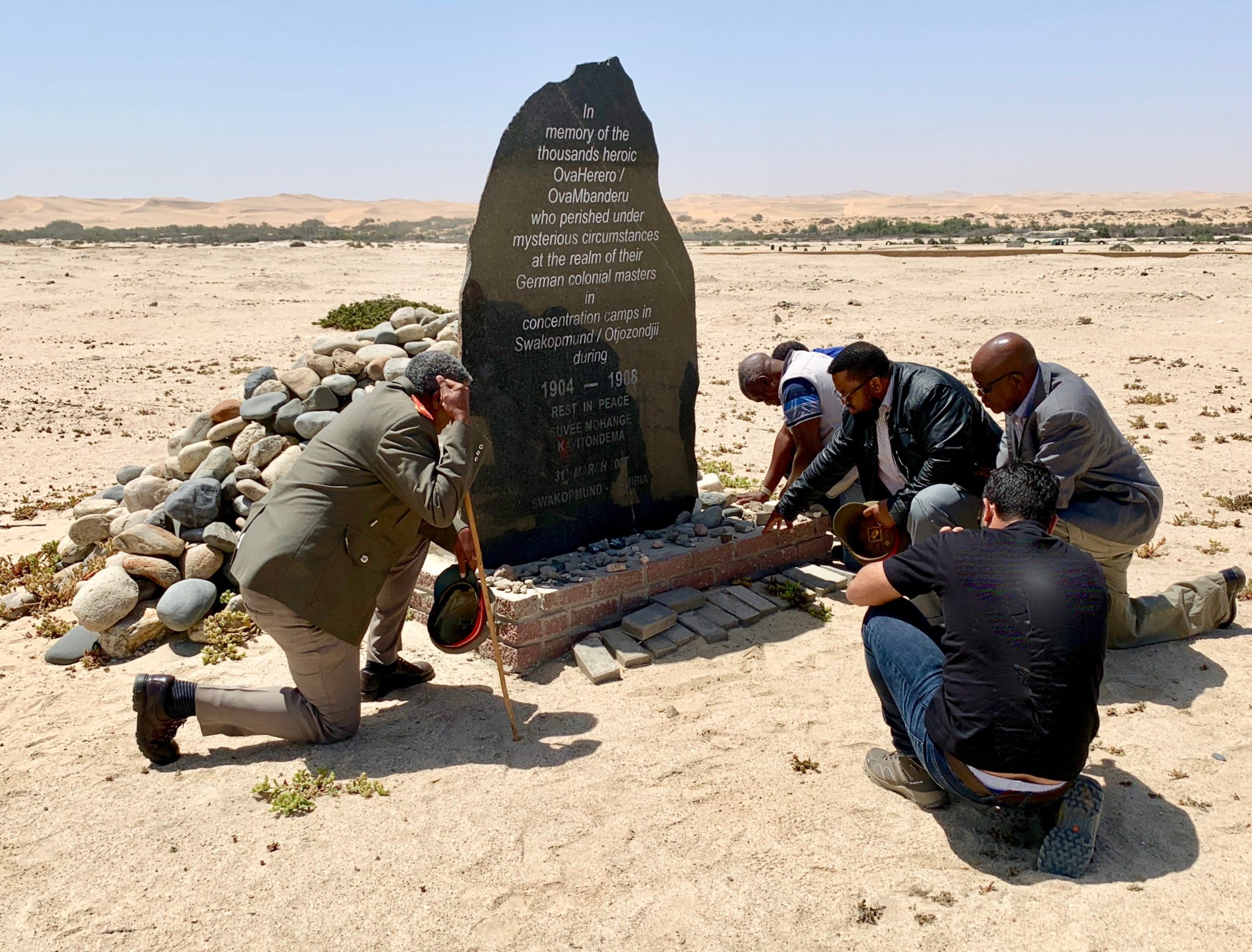
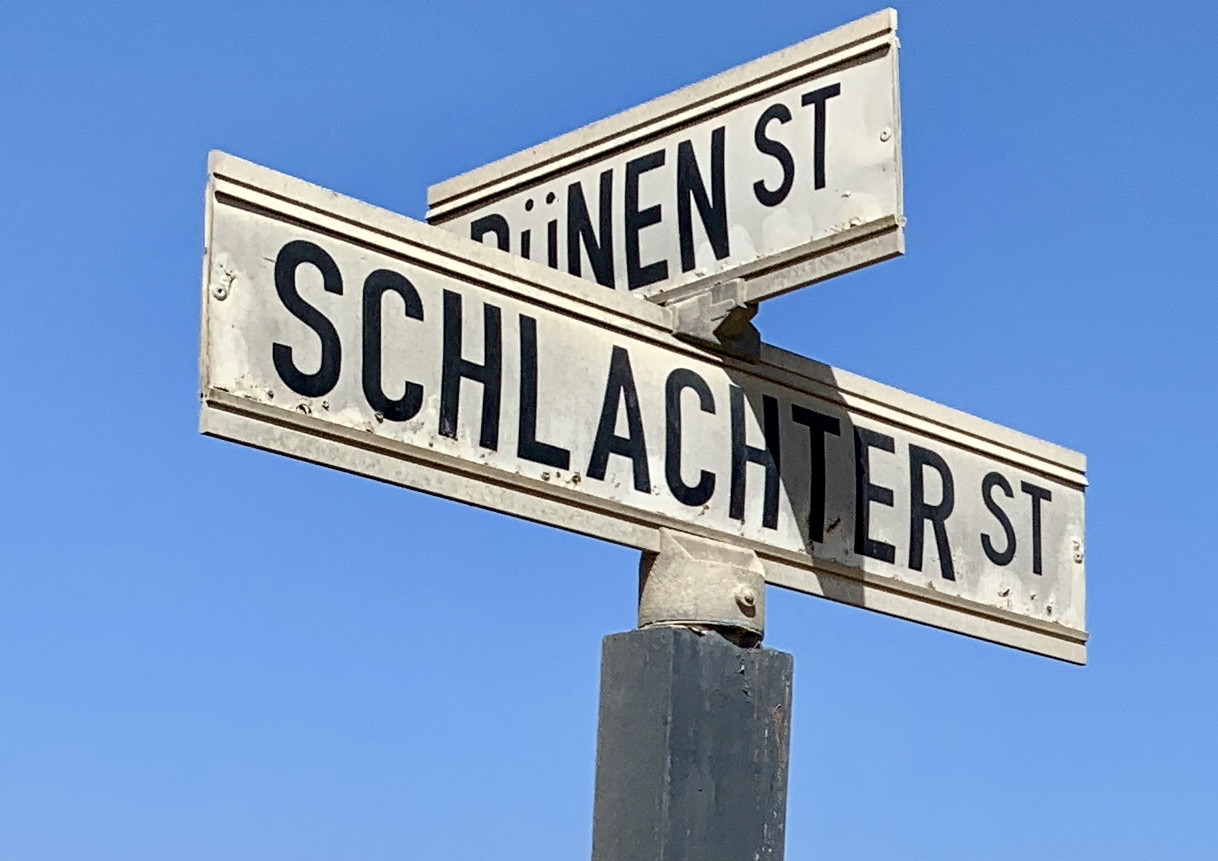
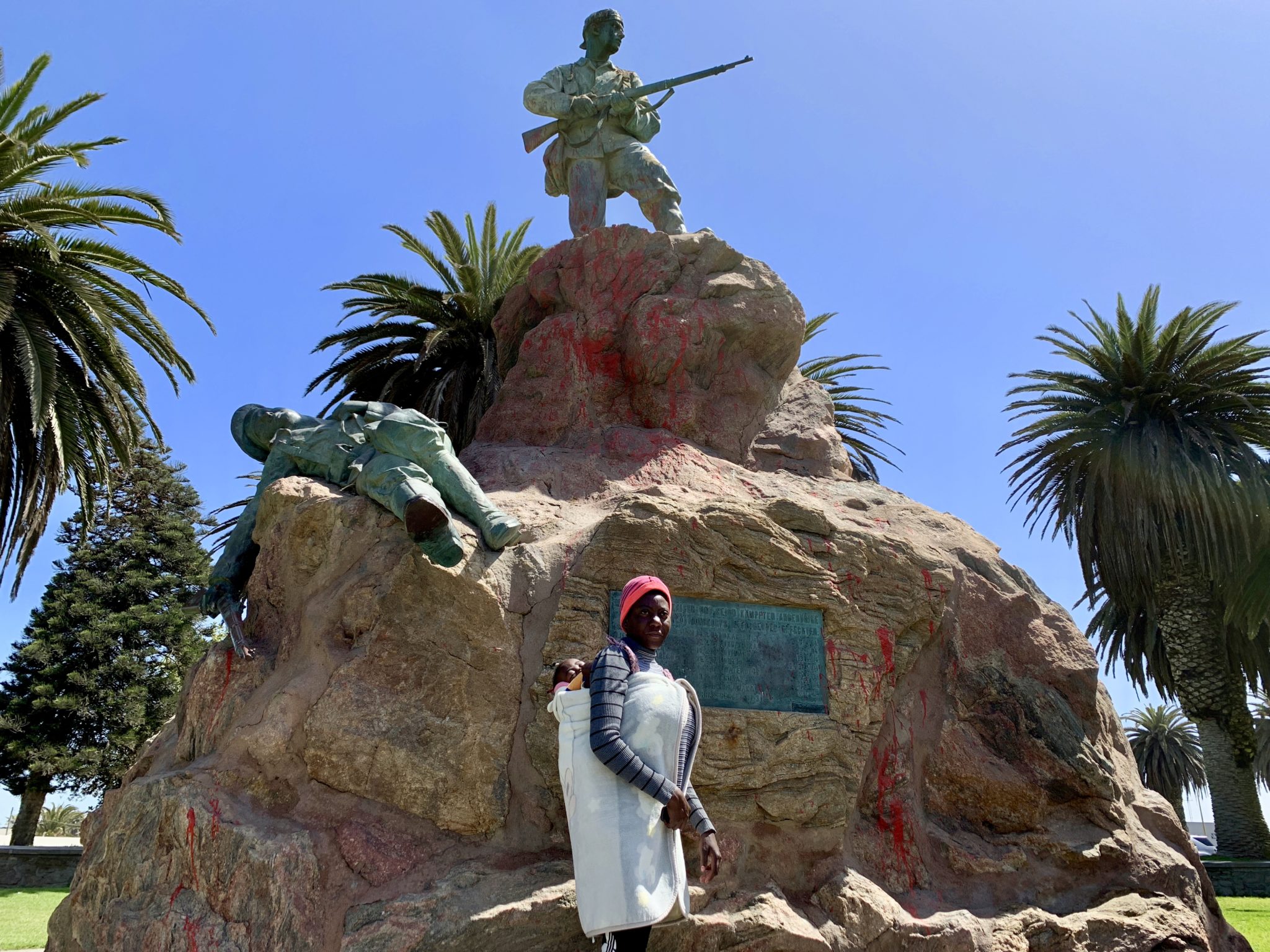
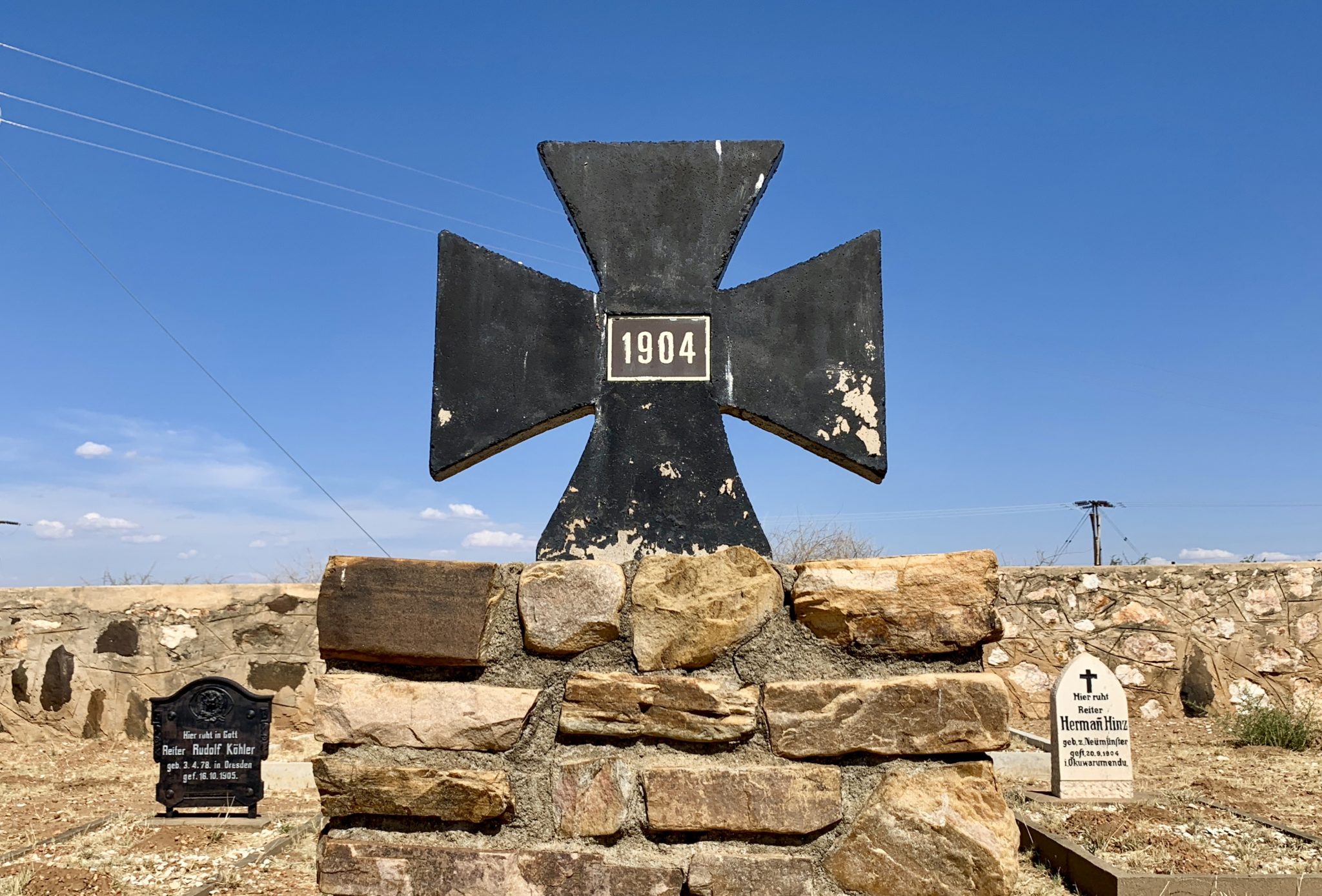
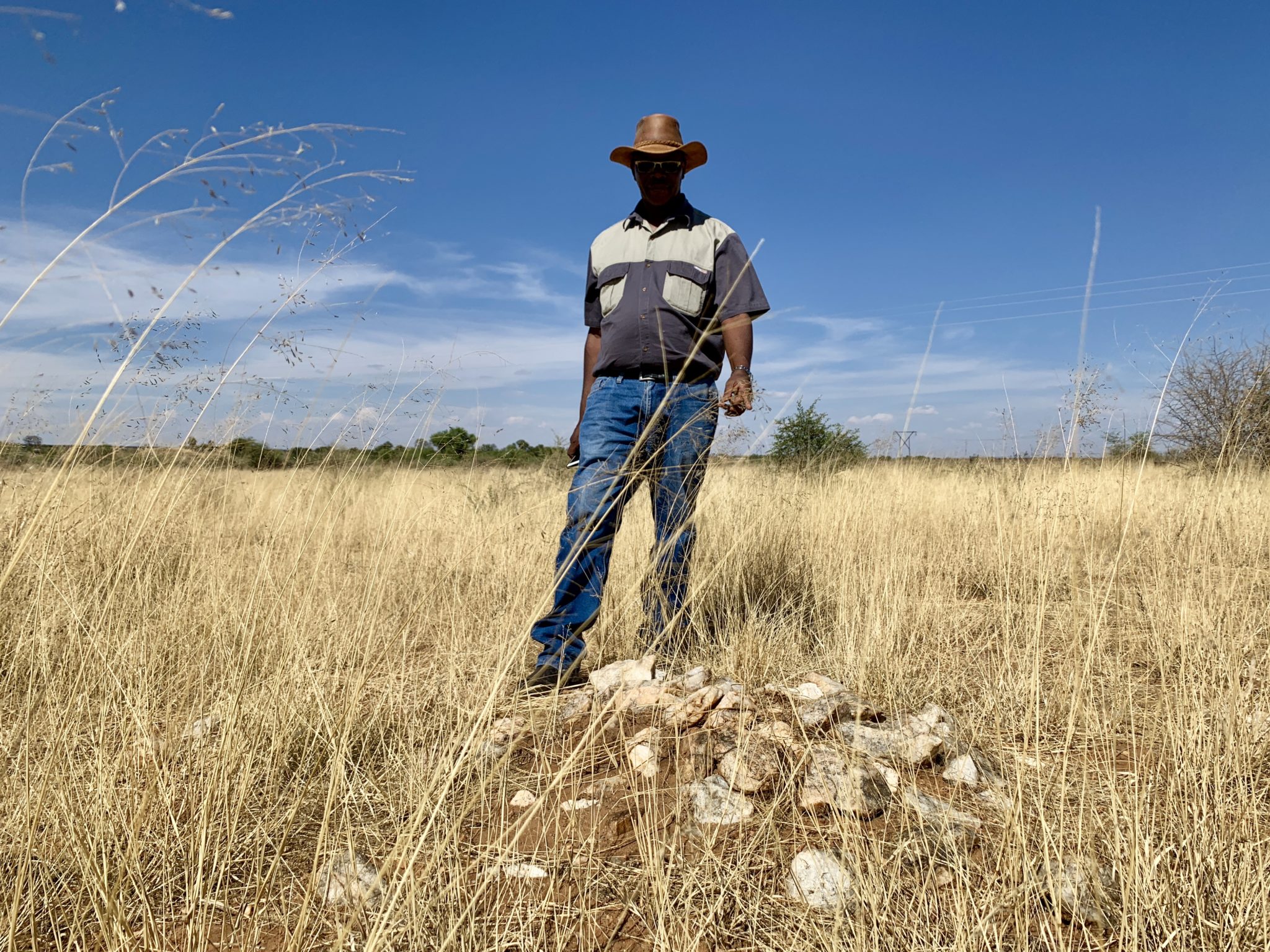
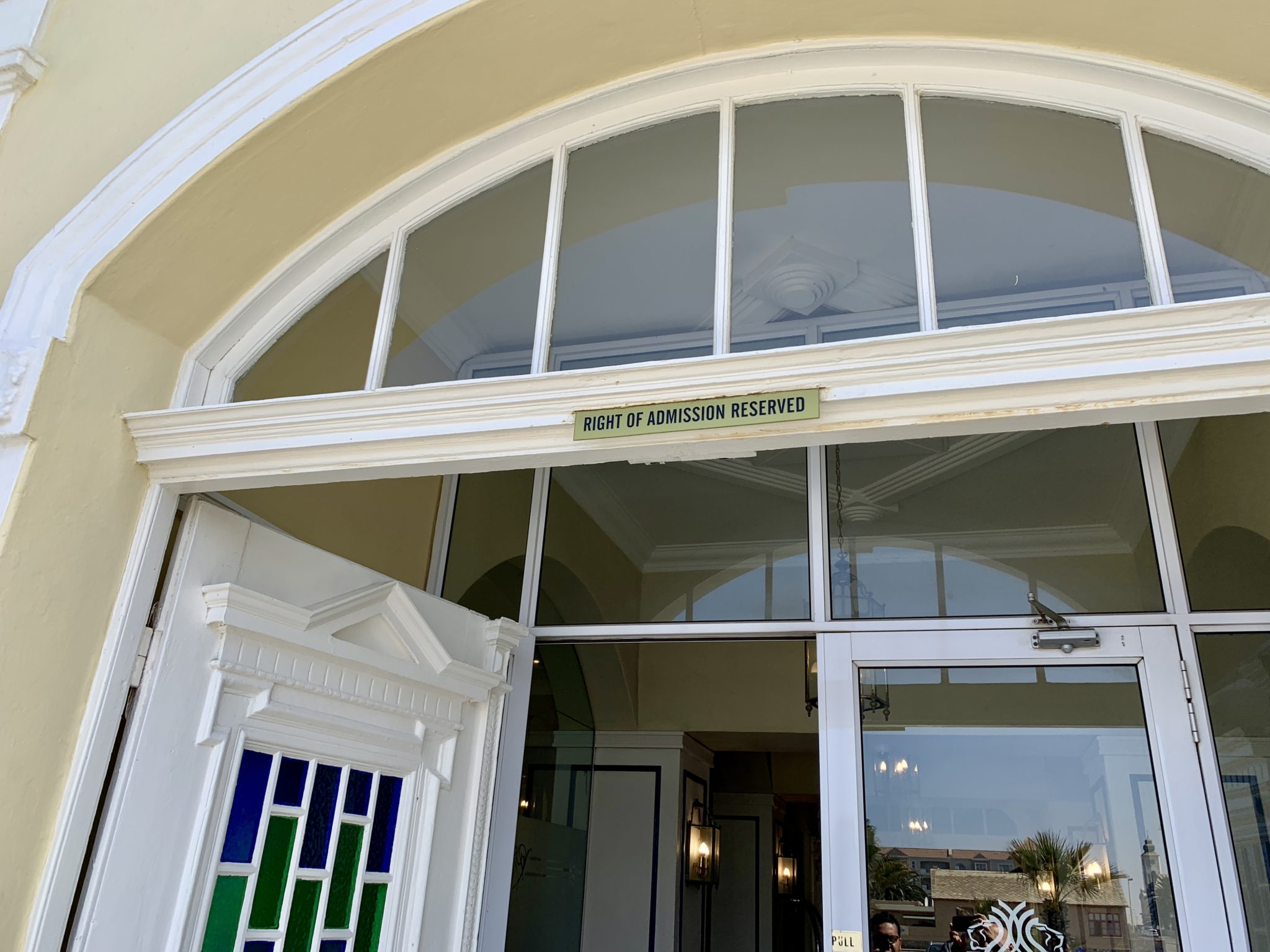
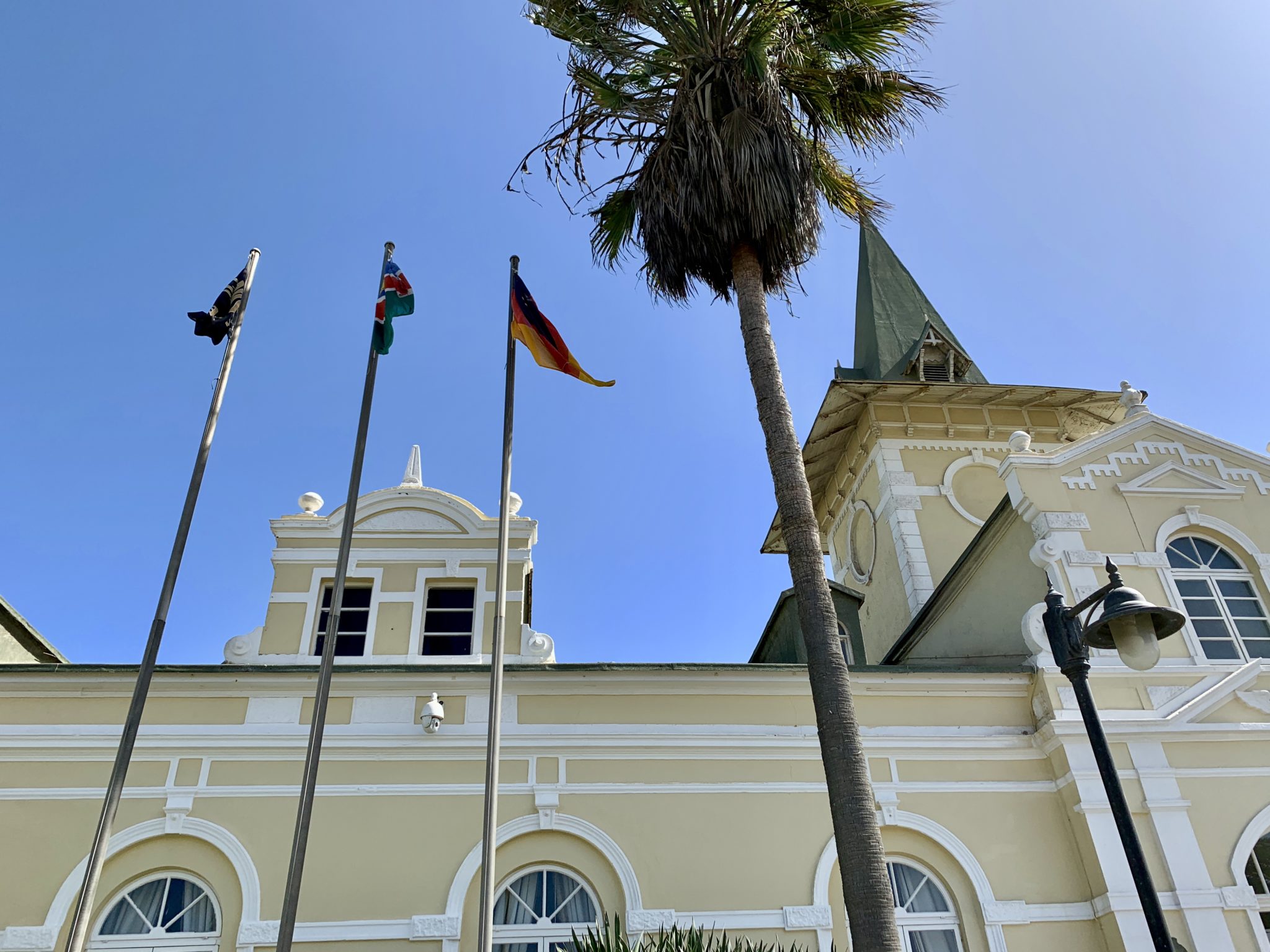
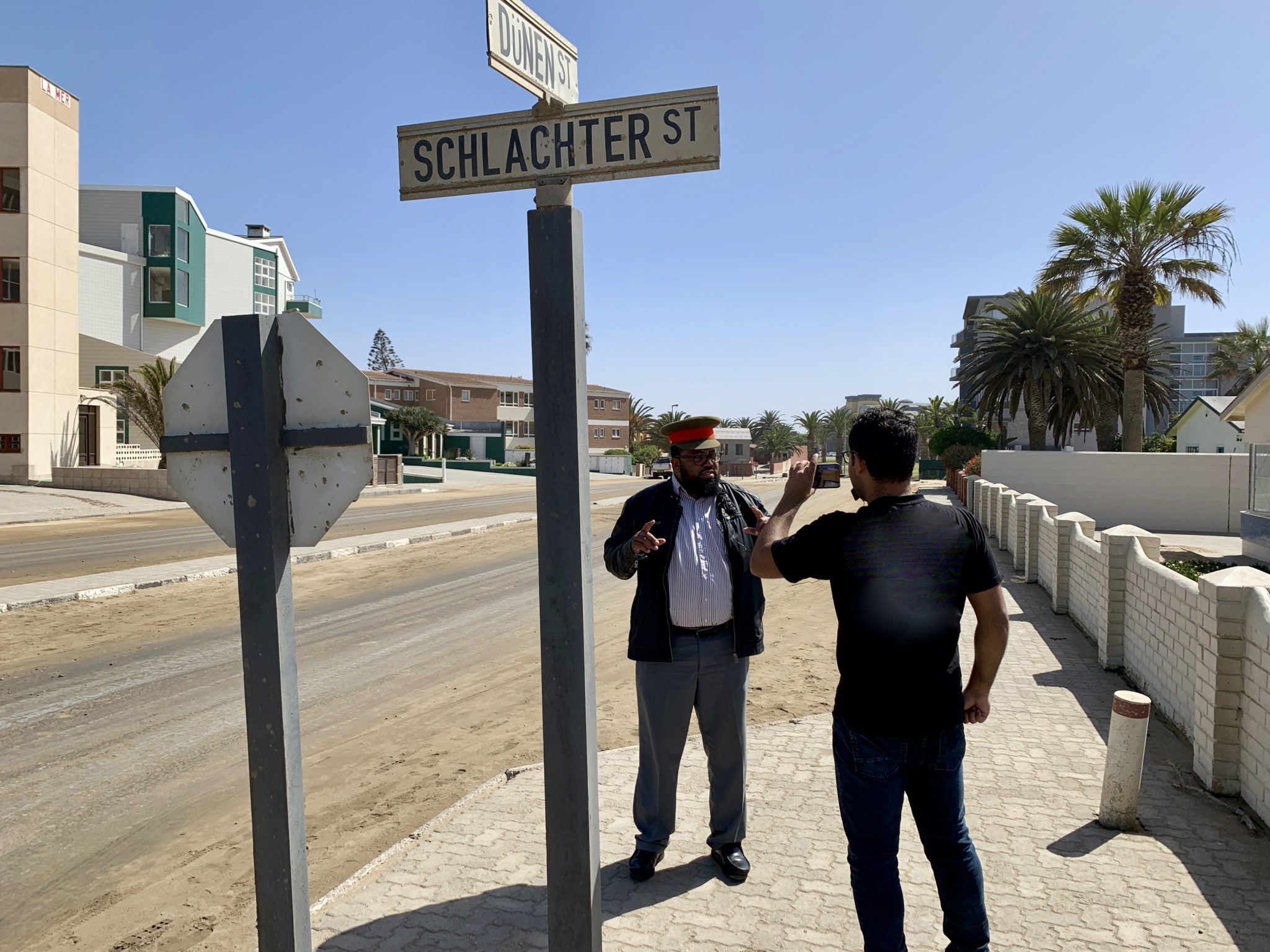
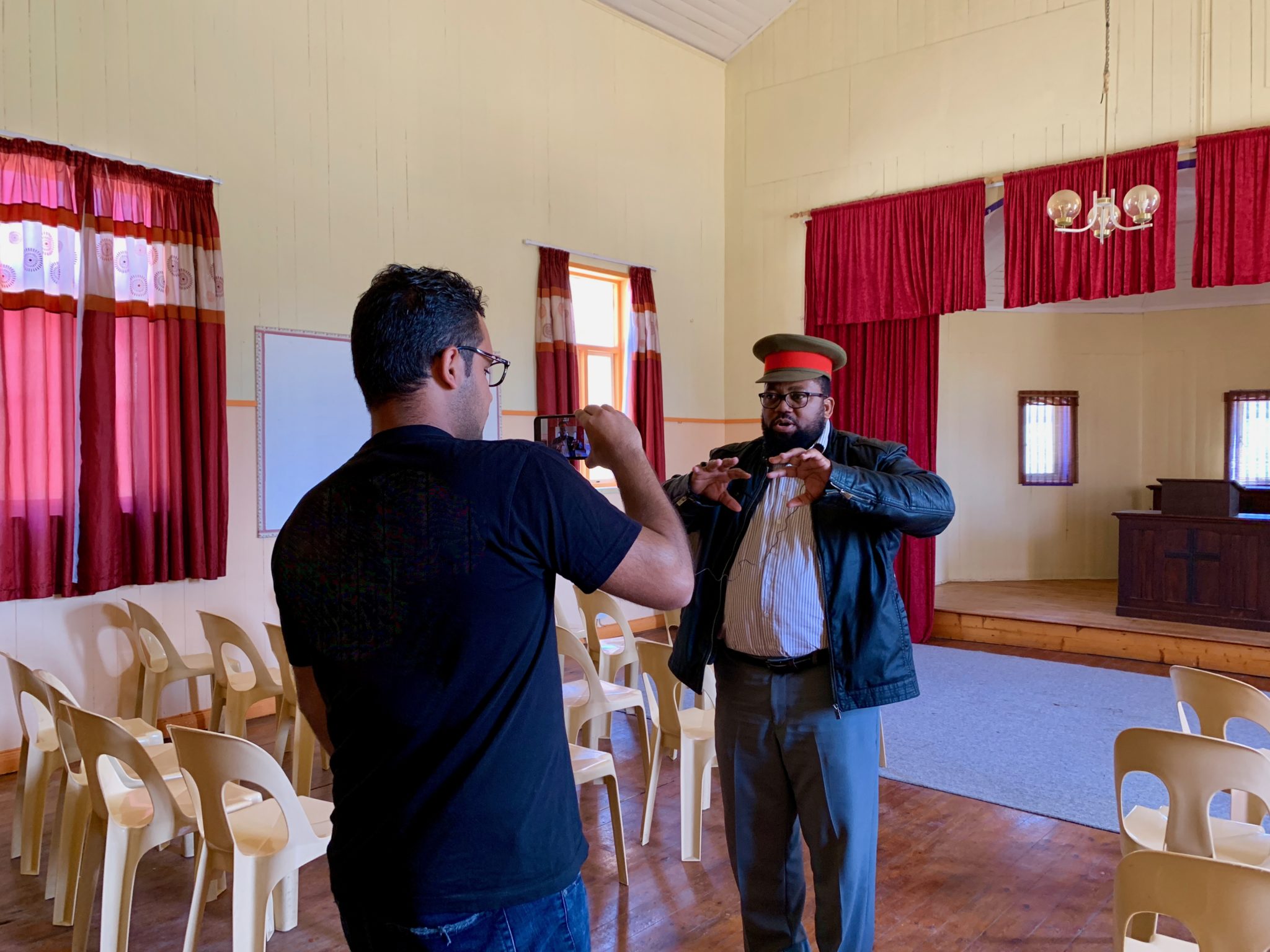
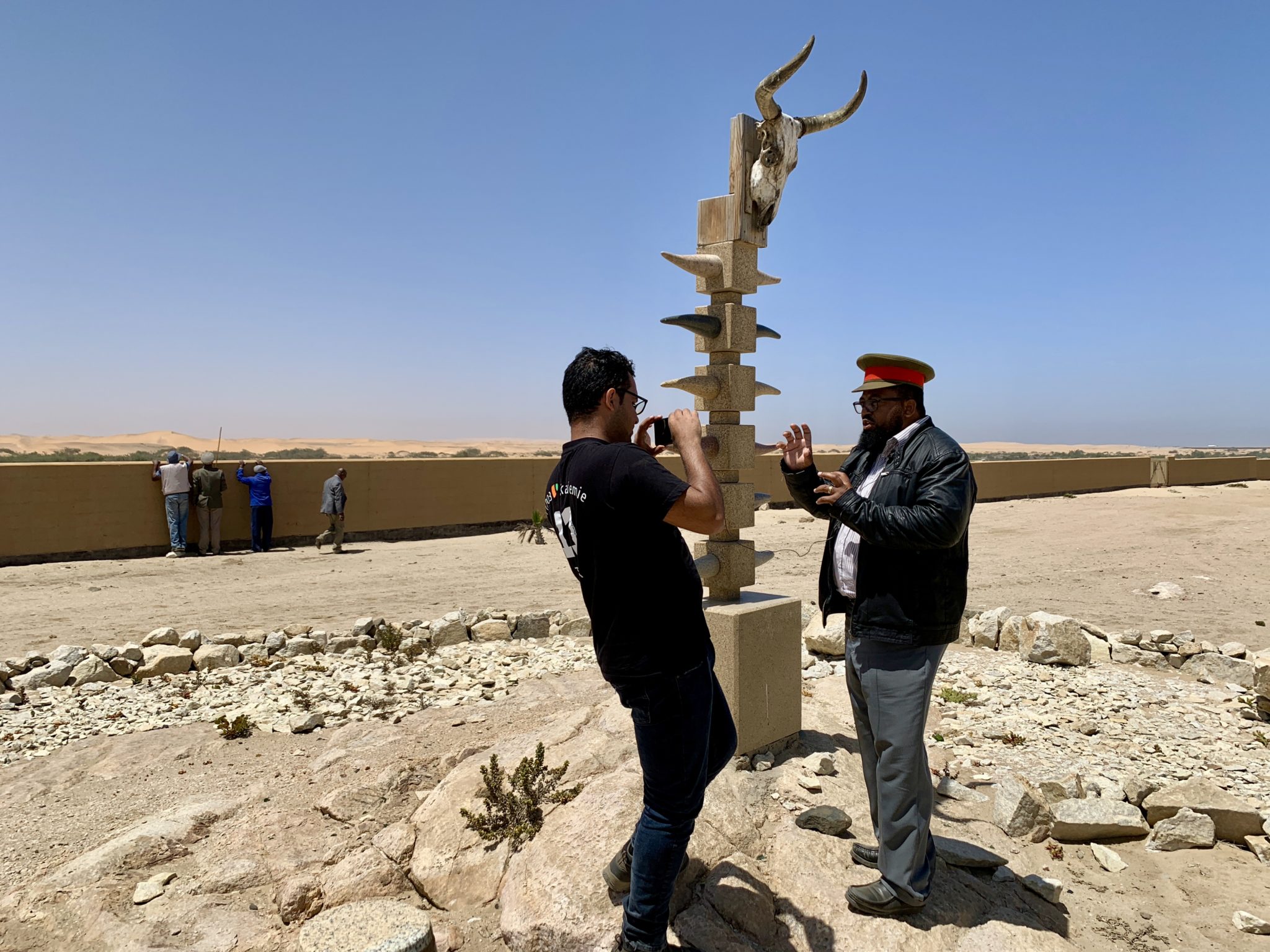
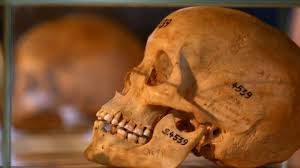
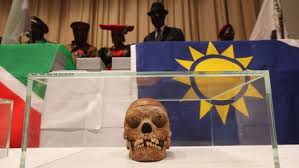
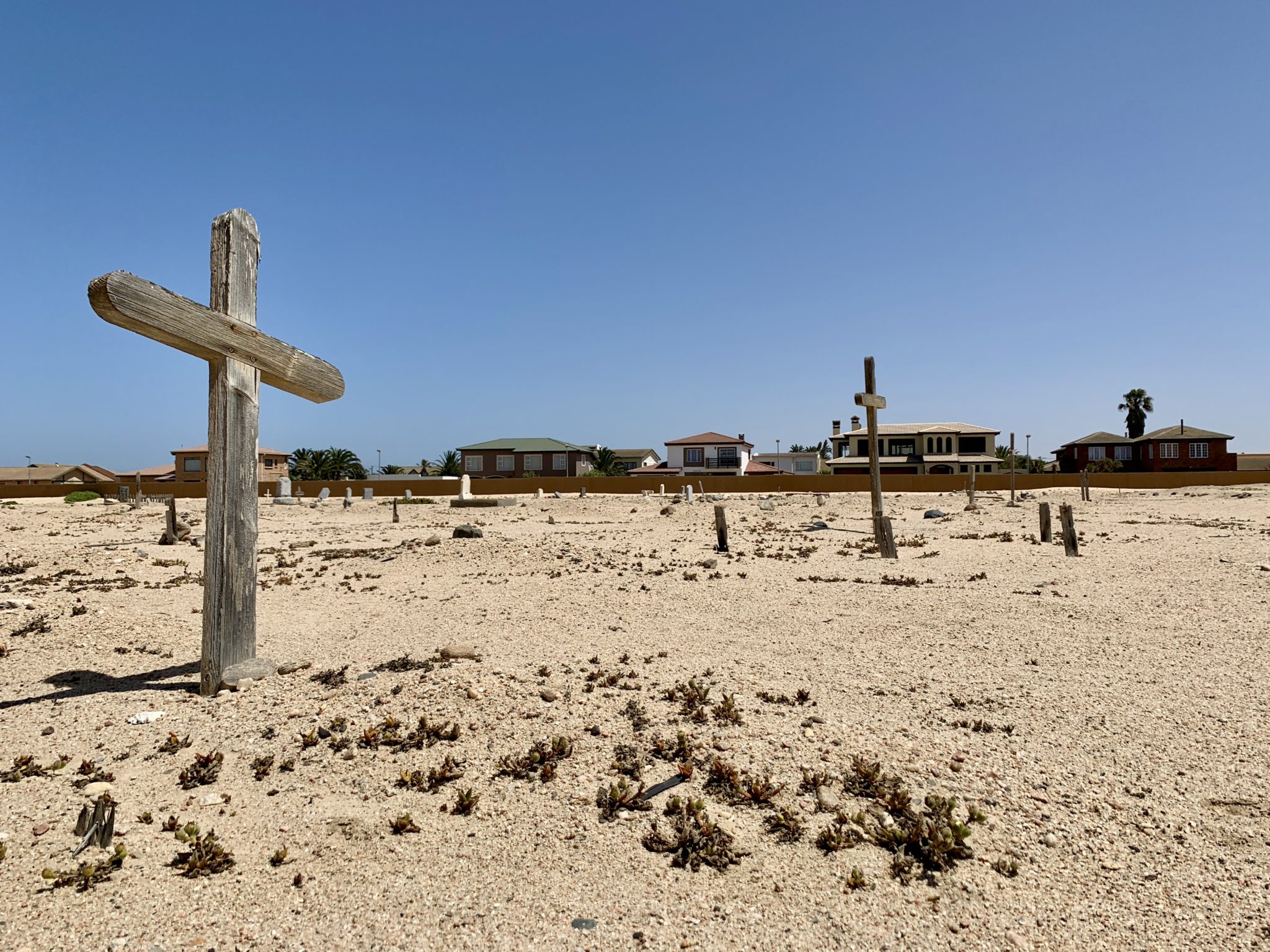
In Swakopmund, we had the fortune of visiting many meaningful locations. First, we visited the main German "war" or we as prefer “genocide resistance” monument (see images) which glories the fallen German soldiers and mentions nothing of the Indigenous Herero and Nama Peoples who were exterminated during their freedom uprising battles surrounding this genocide period. We also visited an infamous church which was used during the Genocide for the Herero and Nama wives to remove the cranial skin and hair from their husband’s skulls before the skulls were sent to Germany and other locations for ignoble scientific genetic studies and tests (see cover image). Our hotel stay was in the first railroad station converted to the Swakopmund Hotel located adjacent to the concentration or “death camps” more correctly labeled. Hanging proudly above this hotel today (see image) is the German Flag next to the Namibian Flag, “lest anyone forget who still controls this territory”. As further language of deterrence and racial division, directly above the front door (see image) of the hotel there is a placard stating “Right of Admission Reserved”, you decide for yourself the interpretation of this. Our last visit was the sacred cemetery site with its sloppily buried genocide victims in the un-kept section for the Nama and Herero Peoples. This barren desert cemetery barely had gravestones yet had “disrespectful tracks of 4x4 dune buggy around the deceased’ graves. The nearby and adjacent German cemetery was adorned with flowers, beautifully landscaped and ripe with color (see images). As part of our reconnaissance for this genocide project, we went into the tourist information center while filming, and requested information and a tour for the Namibian Genocide. The counter agent nervously responded, refusing to use our vernacular of “genocide” since she probably was trained and referred to this period as “the German Influence” period in her words. Lastly, we visited the “gentle reminder street” with the street sign labeled “Schlachter” translated in English meaning “Butcher” Street. This was the road leading to the concentration camps. This sign as well as many others like it in Namibia are a constant reminder for those oppressed to “stay in their place”.

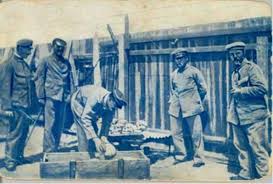
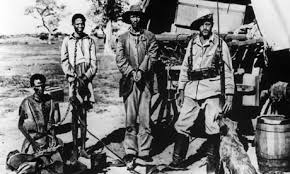
4 historical B&W images by others.


German Settler's of Namibia New site

Facebook site of NGO in support of this Genocide Repatriation Litigation


Visit News article links below by others regarding this genocide


TEAM MEMBERS

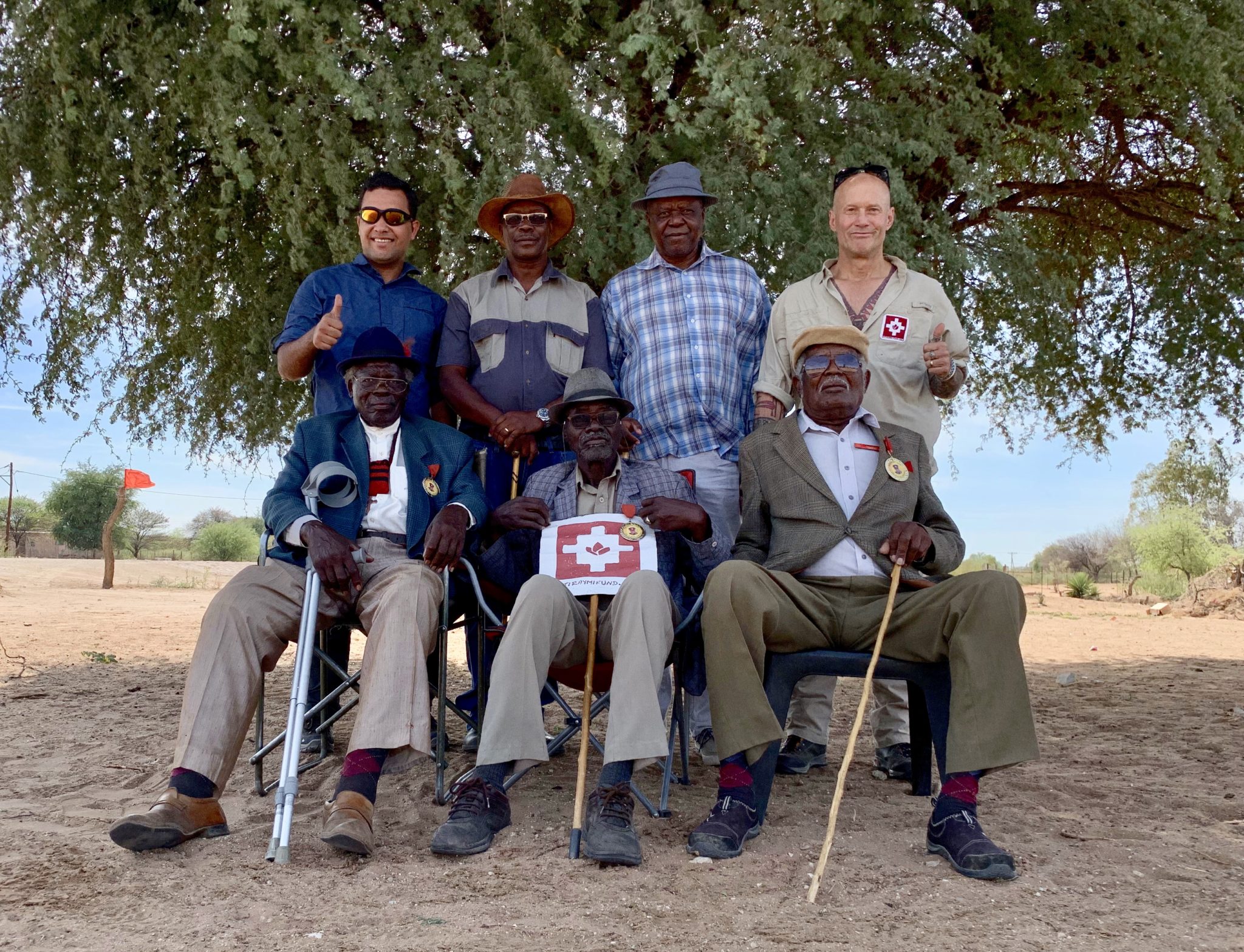
Deputy Chief of Staff: Ehrenfried Meroro, Chimu, Paramount Chief Advocate Vekuii Rukoro(sitting), Anas, Chief of Staff: Bob Kandetu

COMMUNITY & INTI RAYMI FUND'S INVOLVEMENT

Inti Raymi Fund

A Private Family Foundation
501(c)(3)Tax Exempt Org.
EIN 45-3782829
Office: Austin, TX USA

Resources

2012-2018 in Review
Financial Information
Name & Logo
FAQ

CONTACT US

Cinque TerreCinque Terre

© 2026 · intiraymifund.org